How I Slashed My Property Insurance Costs Without Losing Coverage
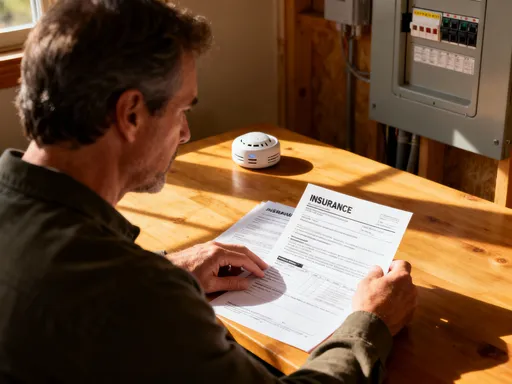
You’re not alone if you’ve ever felt like your property insurance bill creeps up every year for no good reason. I sure did—until I decided to dig deeper. What started as a simple search for savings turned into a full-on deep dive into how premiums really work. Turns out, most of us overpay simply because we don’t know the hidden levers that insurers use. Insurers rely on complex models, regional risk data, and behavioral patterns that many homeowners never see. But understanding these mechanisms isn’t just for industry insiders. With the right knowledge, anyone can challenge automatic renewals, eliminate unnecessary costs, and still maintain strong protection. Here’s what I learned—and how you can keep more cash in your pocket without gambling on risk.
The Shocking Truth Behind Rising Premiums
Year after year, property insurance premiums climb, often without clear justification. Many homeowners assume inflation or increased construction costs are the sole drivers. While those factors do play a role, they only tell part of the story. The reality is that insurance companies use sophisticated pricing algorithms that consider far more than just the cost of rebuilding. These models analyze regional risk patterns, historical claims data, weather trends, and even demographic shifts in neighborhoods. For instance, if a previously low-risk area experiences two or three major weather events over five years, insurers may reclassify it as high-risk, triggering across-the-board rate increases—even for homes that have never filed a claim.
Another under-discussed factor is the growing use of predictive analytics. Insurers now access data from third-party sources, including satellite imagery and municipal records, to assess risks like tree density near homes, roof conditions, or proximity to flood zones. A homeowner with a well-maintained property might still see a rate hike simply because surrounding areas are deteriorating or becoming more prone to wildfires. Additionally, corporate financial strategies influence pricing. When insurers face losses in other sectors—such as auto or commercial insurance—they may raise property rates to offset those shortfalls, passing the burden onto homeowners who had nothing to do with the imbalance.
Perhaps most surprisingly, loyalty is not always rewarded. In fact, long-term customers are sometimes charged more than new ones, a practice known as price optimization. This occurs when insurers calculate that established customers are less likely to shop around and therefore tolerate higher rates. This isn’t universal, but studies by consumer advocacy groups have found evidence of this trend in multiple states. The takeaway is clear: premium increases are not inevitable or always fair. They are often the result of internal business decisions, data modeling, and market behavior that homeowners can—and should—question.
Why “Set and Forget” Insurance Is a Costly Mistake
One of the most common financial oversights among homeowners is treating property insurance as a fixed, hands-off expense. Once a policy is in place, many people assume it will automatically cover their needs for years to come. This “set and forget” mentality may feel convenient, but it comes at a steep cost. Over time, unreviewed policies accumulate inefficiencies—outdated coverage limits, mismatched deductibles, or irrelevant endorsements—that lead to overpayment. Worse, changes in personal circumstances can leave homeowners either underinsured or paying for protection they no longer need.
Consider a family that installs a new security system or upgrades their plumbing and electrical systems. These improvements reduce risk, yet unless the homeowner notifies their insurer, the policy remains unchanged—and so does the premium. Conversely, someone who converts a garage into a home office may unknowingly increase liability exposure without adjusting coverage. Insurers view home-based businesses differently, especially if clients or deliveries are involved. A standard homeowner’s policy may not fully cover equipment, inventory, or third-party injuries, creating a dangerous gap in protection.
Life events like marriage, divorce, or children moving out also impact risk profiles. A newly married couple combining households might be eligible for multi-policy discounts or revised liability terms. Someone downsizing later in life may be paying for excess dwelling coverage on a home they no longer fully occupy. Even something as simple as paying off a mortgage can change insurance requirements. Lenders often mandate certain coverage levels, but once the loan is settled, those mandates disappear—yet many people continue paying for lender-required endorsements like mortgagee clauses or guaranteed replacement cost, which may no longer be necessary.
The danger of inaction extends beyond overpayment. Policies contain clauses that can shift over time, sometimes without clear notification. For example, a standard policy might exclude mold damage unless a specific rider is added. If flooding risks increase in a region, insurers may tighten definitions of “sudden and accidental water damage,” narrowing what’s covered. Without regular review, homeowners remain unaware until a claim is denied. Proactive policy management isn’t just about saving money—it’s about ensuring that protection keeps pace with reality.
The Hidden Power of Policy Customization
Most homeowners accept the first policy they’re offered, assuming it’s the standard—and therefore optimal—option. But the truth is, one-size-fits-all insurance rarely fits anyone perfectly. Customizing a policy to match actual needs can lead to substantial savings without sacrificing security. The key lies in understanding what coverage is essential versus what’s merely convenient or commonly bundled. By taking a targeted approach, homeowners can eliminate redundancies, adjust coverage levels, and align protection with real-world risks.
One of the most effective levers for cost control is the deductible. Raising a deductible from $500 to $1,000 can reduce premiums by 10% to 25%, depending on the insurer and location. For financially stable households with emergency savings, this trade-off makes sense. The savings over five years often outweigh the risk of a slightly higher out-of-pocket cost in the event of a claim. However, this strategy only works if the homeowner can comfortably afford the higher deductible when needed. It’s not a recommendation for everyone, but for many midlife homeowners managing stable budgets, it’s a smart financial decision.
Another area ripe for customization is endorsements, or riders. These are add-ons that extend coverage beyond the base policy. Common examples include protection for high-value items like jewelry or art, sewer backup coverage, or identity theft protection. While some riders are valuable, others may be unnecessary. A homeowner without valuable collectibles might be paying for scheduled personal property coverage they’ll never use. Similarly, someone in a low-flood-risk area may carry excess water damage protection that duplicates existing coverage. Reviewing each rider and asking whether it addresses a real, likely risk can uncover hidden savings.
Location-specific risks should also guide customization. A coastal homeowner may benefit from windstorm deductibles and hurricane clauses, while someone in a rural area might prioritize wildfire mitigation credits or livestock liability. Meanwhile, urban dwellers may need more robust liability coverage due to higher foot traffic or rental activity. The goal isn’t to strip coverage down to the minimum, but to align it with actual exposure. A customized policy isn’t cheaper because it’s barebones—it’s more efficient because it’s precise.
Shopping Smart: How to Compare Quotes Without Losing Protection
Switching insurance providers is one of the most effective ways to lower premiums, but it’s often done poorly. Many people focus solely on the bottom-line price, selecting the cheapest quote without verifying whether the coverage is truly equivalent. This approach can backfire, leaving homeowners underprotected when a claim arises. The smart way to shop is to compare policies holistically, weighing cost against coverage breadth, insurer reputation, and service quality.
Start by gathering your current policy details. Note the dwelling coverage limit, personal property percentage, liability amount, deductible, and any endorsements. This becomes your benchmark. When requesting quotes from other insurers, ask for a side-by-side comparison using the same coverage parameters. Be specific: don’t just ask for a “homeowners policy”—ask for a policy with $300,000 dwelling coverage, $100,000 liability, a $1,000 deductible, and the same endorsements. This ensures you’re comparing apples to apples.
Pay close attention to exclusions. One insurer might cover roof damage from wear and tear, while another only covers sudden events like storms. Another might exclude damage from sump pump failure unless a separate rider is purchased. These differences can dramatically affect your out-of-pocket costs after a loss, even if the premium is lower. Ask agents to explain any exclusions in plain language and request written clarification if needed.
Equally important is the insurer’s claims process. A low premium means little if the company drags its feet during a crisis. Research customer satisfaction ratings from sources like J.D. Power or the National Association of Insurance Commissioners (NAIC). Look for patterns in complaints, especially around claim denials or delays. A slightly higher premium with a reliable, responsive insurer often delivers better long-term value. Also consider financial strength ratings from agencies like A.M. Best or Standard & Poor’s. These indicate an insurer’s ability to pay claims, even after major disasters.
Finally, don’t assume that online quotes are always accurate. Algorithms may not account for unique home features or discounts. Always follow up with a licensed agent to review the quote and ask questions. Sometimes, a quick phone call can uncover savings or clarify coverage gaps that an online form missed. Shopping isn’t about finding the cheapest price—it’s about finding the best value.
Leveraging Discounts You Didn’t Know Existed
Insurance companies offer dozens of discounts, yet most homeowners claim only a fraction. Many of these savings are tied to safety improvements, lifestyle choices, or policy management habits that insurers reward because they reduce risk. The key is knowing which discounts exist and how to qualify for them. Some are automatic, while others require documentation or upgrades.
One of the most valuable is the home safety discount. Installing deadbolts, smoke detectors, burglar alarms, or fire sprinklers can reduce premiums by 5% to 15%. Newer technologies like smart home systems—especially those with water leak sensors, security cameras, or automated thermostats—can unlock even greater savings. Some insurers partner with companies like Ring or Nest, offering additional discounts for integrated systems that alert homeowners to risks in real time. These devices don’t just lower bills—they prevent losses, which benefits both the homeowner and the insurer.
Another major category is structural upgrades. Homes with newer roofs, updated electrical wiring, or modern plumbing are less likely to experience claims. Many insurers offer discounts of 5% to 10% for roofs under 10 years old or for homes with impact-resistant shingles in storm-prone areas. Similarly, replacing outdated knob-and-tube wiring or upgrading a fuse box to a circuit breaker system can qualify for reductions. These improvements often pay for themselves over time through lower premiums and increased home value.
Bundling policies is another well-known but underutilized strategy. Combining home and auto insurance with the same provider typically saves 10% to 20%. Some insurers offer additional discounts for adding umbrella liability, life insurance, or even health coverage. Loyalty discounts exist too, though they tend to plateau after a few years. More impactful is the new customer incentive—many companies offer introductory rates to attract business, which is why switching can sometimes yield better savings than staying put.
Don’t overlook credit-based discounts. In most states, insurers use credit-based insurance scores to assess risk. Homeowners with strong credit often pay less, not because they’re wealthier, but because data shows they’re less likely to file claims. Improving your credit score—by paying bills on time, reducing debt, and checking for errors—can lead to lower premiums over time. It’s not about income; it’s about financial responsibility, which insurers equate with reliability.
When to Reassess: Timing Your Insurance Review Cycles
Timing is a silent factor in insurance cost management. Reviewing your policy at the wrong time means missing opportunities; waiting too long can lock in overpayment. The most strategic moments to reassess coverage align with predictable cycles and life changes. Building a routine around these triggers ensures that savings and protection stay in sync.
The most obvious time is during renewal season. Most policies last one year, creating a natural window to compare options. Start the process 60 days before renewal. This gives you time to request quotes, consult agents, and make a decision without rushing. Never wait until the last week—pressure leads to poor choices, including automatic renewal at a higher rate.
Another ideal moment is after major home improvements. Whether you’ve replaced the roof, renovated the kitchen, or added a security system, these changes reduce risk and may qualify you for discounts. Notify your insurer promptly. Some companies require proof, such as receipts or inspection reports, so keep documentation on file. Delaying notification means missing out on savings for months or even years.
Life transitions are also critical review points. Moving, buying a second home, starting a home-based business, or retiring and spending more time at home all affect risk exposure. Retirees, for example, may see lower premiums due to increased home occupancy, which deters theft. Conversely, renting out a room on a short-term basis could require additional coverage. Each shift warrants a policy check.
Finally, monitor external factors like local regulations or disaster trends. If your community adopts stricter building codes, you might need ordinance or law coverage to cover upgrade costs after a claim. If flood maps are updated, your risk classification could change, affecting premiums and mandatory coverage requirements. Staying informed through local government websites or insurance agents helps you act early, not react late.
Balancing Savings and Security: The Long-Term View
At its core, property insurance isn’t just an expense—it’s a cornerstone of financial stability. The goal isn’t to eliminate costs, but to maximize value. Every dollar saved on premiums is a dollar that can go toward retirement, education, or home improvements. But those savings must never come at the expense of protection. The most successful homeowners are those who treat insurance as a dynamic part of their financial plan, not a static bill.
The strategies outlined here—understanding premium drivers, avoiding complacency, customizing coverage, shopping wisely, claiming discounts, and timing reviews—are not one-time fixes. They form a cycle of continuous improvement. Just as you wouldn’t buy a car and never maintain it, you shouldn’t set an insurance policy and ignore it for years. Regular attention ensures alignment with your current life, your home’s condition, and the broader risk environment.
More than just saving money, this approach builds confidence. Knowing your coverage is accurate, your premiums are fair, and your insurer is reliable brings peace of mind. It transforms insurance from a source of frustration into a tool for empowerment. You’re not at the mercy of rate hikes—you’re in control.
In the long run, smart insurance management contributes to broader financial resilience. It protects your largest asset—your home—while freeing up resources for other goals. It’s not about cutting corners; it’s about making informed choices that reflect your real needs. By taking a proactive, thoughtful approach, you keep more of your hard-earned money where it belongs: in your pocket, working for you.