Lost in Lyon’s Hidden Corners: Where Locals Really Live
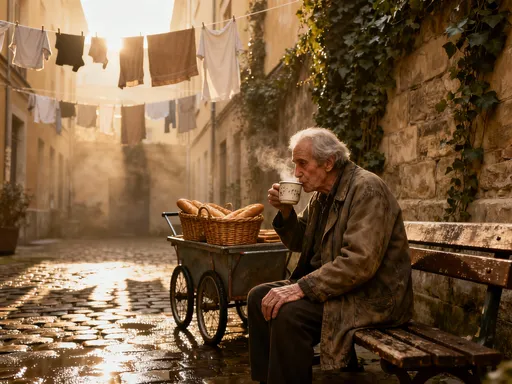
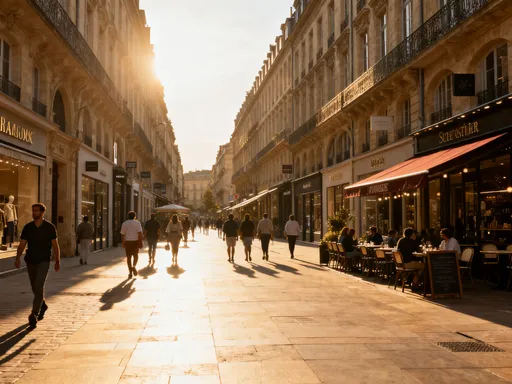
You know that feeling when you’re surrounded by tourists, but you just want to escape? I found myself there in Lyon—until I stumbled upon its secret: quiet courtyards, tucked-away parks, and lively neighborhood squares most visitors never see. These public spaces aren’t in guidebooks, but they’re where the city breathes. Trust me, this is Lyon at its most real. Away from the polished postcards and bustling boulevards, there’s a quieter, more intimate rhythm pulsing beneath the surface. It’s in the cobbled alleys where laundry flutters between old stone buildings, in the corner bakeries where neighbors greet each other by name, and in the sun-dappled squares where life unfolds slowly, naturally. This is not tourism as performance, but as participation—a chance to witness, and even briefly belong to, the everyday poetry of a city lived in.
Beyond the Postcard: Lyon’s Other Side
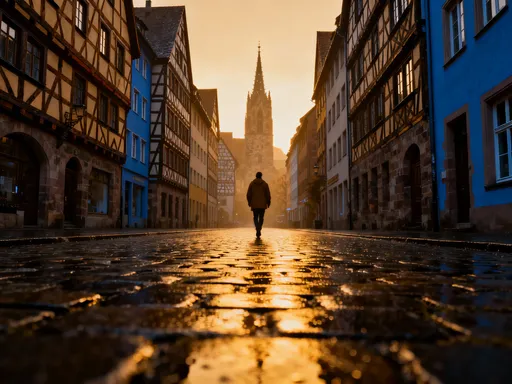
Lyon is globally celebrated for its Renaissance-era architecture, UNESCO World Heritage status, and its reputation as the gastronomic capital of France. Travelers arrive with expectations shaped by glossy brochures—images of the Saône River at golden hour, the grandeur of Place Bellecour, or the cobblestone charm of Vieux Lyon. Yet, for all its fame, the soul of the city does not reside solely in these well-trodden landmarks. It lives in the overlooked corners, the in-between spaces where daily life unfolds without fanfare. These are the places where Lyon’s identity is not performed for visitors, but practiced by its people.
Districts like La Croix-Rousse, historically known as the center of Lyon’s silk-weaving industry, reveal a different kind of beauty—one rooted in resilience, community, and quiet dignity. While tourists ascend the funicular to Fourvière Basilica or wander the main thoroughfares of Presqu’île, the side streets of Croix-Rousse hum with a slower, more grounded energy. Here, elderly residents sit on stone benches exchanging stories in the late afternoon sun, children chase each other up and down steep staircases, and artisans open their workshop doors to passersby, offering glimpses into centuries-old crafts. The atmosphere is unpolished, unhurried, and deeply authentic.
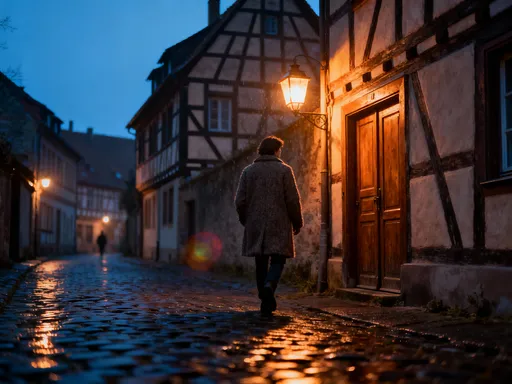
One of the most distinctive features of these hidden neighborhoods is the network of traboules—narrow, covered passageways that thread through buildings, connecting one street to another. Originally used by silk workers to transport fabric without exposure to rain, these passages now serve as quiet arteries of local life. They are not tourist attractions in the traditional sense; rather, they are functional, lived-in routes that locals use daily. Walking through a traboule is like stepping into a private world—sunlight filters through inner courtyards, ivy climbs weathered walls, and the sound of distant conversation drifts from open windows. These spaces are not designed for spectacle, but for use, and their value lies precisely in their ordinariness.
What makes these areas so compelling is their resistance to commodification. There are no souvenir shops, no guided tour groups with headsets, no queues for photo ops. Instead, you’ll find corner boulangeries where the scent of fresh baguettes spills onto the sidewalk, small grocery stores with handwritten signs, and laundry lines strung between buildings like delicate threads of domestic life. These details—seemingly insignificant—collectively form the texture of Lyon’s true character. To experience them is to move beyond sightseeing and into a more intimate form of engagement, one that rewards patience and presence.
The Pulse of Neighborhood Squares
If the traboules are Lyon’s hidden veins, then its neighborhood squares are its beating heart. These small, often unassuming plazas serve as the social anchors of their communities, places where generations intersect and daily rhythms are set. Unlike the grand central squares designed for civic display, these local hubs are built for life, not tourism. They are modest in scale but rich in activity, offering a window into the quiet continuity of urban living.
Take Place Saint-Jean in Vieux Lyon, a compact square nestled among ancient buildings and overlooked by the towering Saint-Jean Cathedral. On most mornings, it comes alive with a small market where vendors sell seasonal produce, local cheeses, and freshly baked goods. What sets this market apart is not its size, but the relationships it fosters. Shopkeepers recognize their regular customers, calling out greetings and offering recommendations. There’s a sense of familiarity, of belonging, that cannot be replicated in a supermarket or a tourist bazaar. For visitors willing to linger, this is an opportunity to observe—and even participate in—a culture of neighborliness that remains central to French urban life.
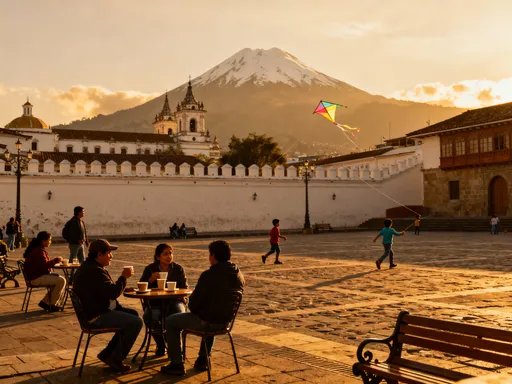
Similarly, Place du Gouvernement in La Croix-Rousse offers a different kind of intimacy. Surrounded by low-rise buildings with faded shutters and flower-filled balconies, this square feels more like a village courtyard than a city space. In the mornings, residents gather at the handful of café terraces, sipping coffee while reading newspapers or chatting with friends. By afternoon, the shade of the central plane tree becomes a magnet for those seeking a moment of rest. Children play near the edge of the cobblestones, and elderly neighbors exchange news from their benches. There is no agenda, no performance—just the organic flow of community life.
These squares are not designed to impress. Their charm lies in their simplicity: uneven cobblestones, a single tree, perhaps a weathered fountain that no longer functions. Yet, their design is deeply intentional. They are accessible, open, and inviting—spaces where people naturally gather without feeling observed or intruded upon. For travelers, the key to experiencing them fully is timing and temperament. Arriving early in the day, sitting quietly, and allowing the scene to unfold without interference can yield moments of unexpected connection. It’s not about capturing the perfect photo, but about absorbing the atmosphere, the rhythm, the unspoken rules of coexistence that make these places work.
Parks That Feel Like Secrets
While Parc de la Tête d’Or rightfully claims its place as Lyon’s most famous green space—drawing thousands with its lake, greenhouses, and zoo—there are quieter, lesser-known parks that offer a more personal experience. These hidden oases are not marketed in tourist guides, yet they provide some of the most peaceful and scenic moments in the city. They are spaces where locals go to escape the noise, reflect, or simply enjoy a moment of solitude amidst nature.
Parc de la Cerisaie, located in the 5th arrondissement on a gentle slope above the Rhône, is one such gem. Tucked away from main roads and largely unknown to visitors, it offers panoramic views of the city without the crowds. The park is terraced into the hillside, with winding paths, rose gardens, and shaded benches positioned to catch the afternoon light. In spring, cherry blossoms bloom in delicate puffs of pink, giving the park its name—Cerisaie means “cherry orchard.” It’s a place designed for contemplation, where the sound of wind through the trees drowns out the distant hum of traffic. Joggers, dog walkers, and elderly couples enjoying a quiet stroll move through the space with a sense of ease, as if they’ve discovered a private sanctuary.
Nearby, on the hill of Fourvière, lies Jardin des Curiosités—a small but powerful public space that blends spiritual serenity with urban perspective. Perched on the edge of the hill, it offers a breathtaking view of Lyon spread out below, framed by the modern towers of Part-Dieu and the winding curves of the rivers. But this is not just a viewpoint. The garden is designed as a place of reflection, with inscribed stones bearing philosophical and religious quotes in multiple languages. Visitors sit on benches, some praying, others journaling, many simply gazing at the horizon. It’s a rare example of a public space that serves multiple purposes—spiritual, recreational, aesthetic—without feeling cluttered or commercialized.
What makes these parks so special is their functionality. They are not decorative afterthoughts, but essential components of Lyon’s urban fabric. They provide green access in densely built neighborhoods, offer respite from the pace of city life, and support mental well-being. Their existence reflects a long-standing commitment to thoughtful urban planning—one that prioritizes human needs over spectacle. For travelers, visiting these parks is not just about seeing another site, but about experiencing a different pace, a different relationship between people and their environment. It’s a reminder that cities can be both vibrant and peaceful, bustling and serene, all at once.
How to Find These Spaces (Without a Map)
Navigating Lyon’s hidden corners requires a shift in mindset. It’s not about following GPS coordinates or checking off landmarks on a list. Instead, it’s about cultivating curiosity, slowing down, and learning to read the city like a local. The most rewarding discoveries often come not from research, but from wandering with intention and openness.
One effective approach is to start in Vieux Lyon and walk uphill toward Saint-Just. Rather than sticking to the main streets, allow yourself to be drawn into the narrower lanes that branch off to the sides. These alleys, often no wider than a few feet, are lined with old stone buildings, iron railings, and the occasional mural. As you climb, notice where people gather—around a bakery, near a bench with a view, or at the entrance of a traboule. These are subtle cues that you’re entering a lived-in space. Locals tend to congregate where life is easiest, most pleasant, or most social—follow their lead.
Another strategy is to use public transportation as a starting point rather than a direct route. Take the funicular up to Fourvière Basilica, but instead of returning the same way, choose a different path down. Wander through the residential streets of Saint-Just, where apartment buildings open onto small courtyards and children play near stairwells. You’ll find that each neighborhood has its own character, its own rhythm. The 5th arrondissement feels more secluded and residential, while Croix-Rousse has a livelier, more artistic energy.
Timing also plays a crucial role. Weekdays, especially in the morning or early afternoon, are ideal for encountering authentic local life. Tourist numbers thin out, and residents reclaim their streets, parks, and squares. A Saturday morning market, for example, is not just a shopping destination—it’s a social event. Arrive early, observe how people interact, and consider buying something small from a vendor. A simple exchange—a warm croissant, a handful of cherries—can open the door to a moment of connection. The key is to move slowly, to resist the urge to rush from one place to the next. These hidden spaces reveal themselves only to those who are patient, observant, and respectful of the pace of local life.
Why These Spaces Matter
The under-the-radar public spaces of Lyon are more than just pleasant places to visit—they are vital expressions of the city’s identity. They reflect a culture that values practicality, community, and human scale over grandeur and spectacle. In an era of over-tourism, where iconic landmarks are often overwhelmed by crowds, these quieter areas offer a necessary balance. They remind us that cities are not just destinations for visitors, but homes for people.
These spaces serve multiple functions. They are sites of social cohesion, where neighbors meet, traditions are maintained, and a sense of belonging is reinforced. They provide access to nature and fresh air in dense urban environments, contributing to physical and mental well-being. They support local economies by anchoring small businesses—bakeries, markets, cafés—that thrive on regular, community-based patronage. And they demonstrate that effective urban design does not require massive budgets or flashy architecture. Often, the most successful public spaces are the simplest: a bench with a view, a tree for shade, a fountain that invites pause.
For travelers, engaging with these spaces offers more than just a break from the tourist trail. It fosters empathy. When you sit in a neighborhood square and watch a grandmother scold her grandchild in gentle French, or when you buy a pastry from a vendor who remembers your face, you begin to see the city not as a collection of attractions, but as a living, breathing entity. This kind of travel moves beyond consumption and into connection. It shifts the focus from what you can take—photos, souvenirs, experiences—to what you can give: attention, respect, presence.
Moreover, these spaces challenge the dominant model of tourism that prioritizes efficiency and checklist completion. They invite a slower, more reflective approach—one that values observation, patience, and openness. In doing so, they offer a model for more sustainable, respectful travel. When visitors learn to appreciate the in-between moments, the quiet corners, the unphotographed routines, they contribute to a form of tourism that does not overwhelm, but honors the places and people it encounters.
Respecting the Local Vibe
Exploring Lyon’s hidden corners comes with a responsibility: to be a guest, not an intruder. These are not stages for performance, but homes for real people. The difference between respectful exploration and disruptive tourism lies in awareness, behavior, and intention. It’s not enough to simply find these spaces; you must also know how to inhabit them without disturbing their balance.
One of the most important rules is to keep your presence low-key. Speak softly, avoid loud conversations or laughter, and never block pathways or benches. These spaces are used for daily life—children play, elders rest, neighbors chat—and your presence should not interrupt that flow. Avoid staging elaborate photo shoots in quiet courtyards or asking locals to pose for pictures. If you take photos, do so discreetly and with permission when possible. Remember, you are in someone’s neighborhood, not a museum exhibit.
Simple gestures go a long way. Greeting people with a polite “bonjour” when passing by, smiling at children, or thanking a vendor in basic French can create warmth and openness. These small acts acknowledge the humanity of the place and signal that you are not just passing through, but engaging with respect. Supporting local businesses is another meaningful way to contribute. Buy a coffee from a neighborhood café, pick up a loaf of bread from a family-run boulangerie, or purchase fruit from a street vendor. These small transactions are not just economic exchanges—they are social ones, reinforcing the local economy and building quiet bridges of connection.
Ultimately, the goal is to leave no trace except goodwill. This means avoiding litter, respecting posted rules, and being mindful of noise levels, especially in residential areas. It also means resisting the urge to share every discovery on social media. Not every beautiful place needs to become the next viral hotspot. Some spaces are more valuable because they remain hidden, cherished by locals rather than overrun by visitors. By choosing discretion, you help preserve the very qualities that make these places special.
Final Thoughts: Reimagining City Travel
Lyon taught me that the most memorable moments of travel are rarely found in guidebooks or on highlight reels. They happen in the in-between spaces—in a sunlit courtyard where an old man reads the newspaper, in a quiet park where a mother pushes her child on a swing, in a corner market where laughter rings out over the clatter of baskets. These are the moments when a city stops being a destination and starts feeling like a living story, one you’re briefly allowed to step into.
The hidden corners of Lyon offer more than just escape from crowds. They offer intimacy, authenticity, and surprise. They invite a different kind of travel—one based on presence rather than performance, on observation rather than consumption. This is not tourism as checklist, but as connection. It asks us to slow down, to listen, to be curious without being intrusive. And in return, it offers something rare: a glimpse into the soul of a place.
Next time you visit a city, consider stepping off the main path for just an hour. Skip the central square, avoid the top-rated attraction, and let yourself wander. Follow the smell of fresh bread, the sound of children playing, the sight of a bench facing a view. You might not capture the perfect photo, but you might just hear the city whisper its secrets. And in that quiet moment, you’ll understand that the best travel doesn’t take you farther—it brings you closer.