You Won’t Believe This Private Dining Gem in Stavanger
Stavanger, Norway, isn’t just about oil rigs and fjords—trust me, I was surprised too. On a quiet trip chasing local flavors, I stumbled upon something rare: an intimate, off-the-radar dining experience that felt like a secret handshake. No crowds, no Instagram queues—just pure culinary magic. If you’re searching for authenticity over spectacle, this is your sign to dig deeper into what Stavanger truly offers. It’s a city that doesn’t shout, but whispers—inviting those willing to listen into a world of coastal charm, understated elegance, and deeply personal moments. What I discovered was not just a meal, but a memory etched in flavor, warmth, and quiet connection.
Why Stavanger? More Than Just a Gateway to the Fjords
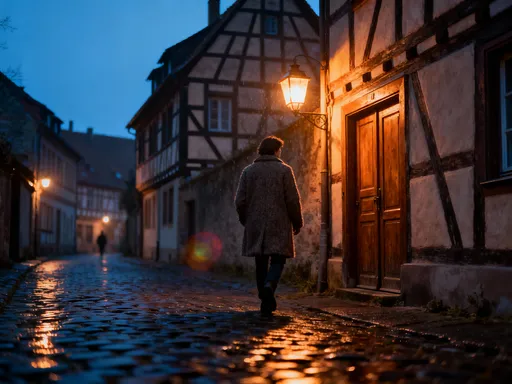
Often overlooked in favor of Bergen or Tromsø, Stavanger quietly holds its own as one of Norway’s most compelling destinations. Nestled along the southwestern coast, it’s a city where historic charm meets modern sensibility. The old town, known as Gamle Stavanger, is a living postcard—cobbled streets lined with whitewashed wooden cottages, some dating back to the 18th century. Yet beyond its picturesque surface, Stavanger is evolving into a cultural and culinary hub that rewards the curious traveler.
Many visitors pass through on their way to the famous Preikestolen (Pulpit Rock) or Lysefjord, snapping photos before moving on. But those who linger discover a different rhythm—one shaped by the sea, the seasons, and a growing pride in local craftsmanship. The city’s compact center is ideal for exploration on foot, where a 15-minute stroll might take you from a centuries-old church to a contemporary art gallery, then to a quiet harbor where fishing boats bob beside sleek yachts.
What truly sets Stavanger apart is its food culture. While Norway as a whole has undergone a culinary renaissance, Stavanger has become a quiet leader in sustainable, hyper-local dining. Its proximity to the North Sea ensures a constant supply of fresh seafood, while nearby farms and foragers provide seasonal vegetables, dairy, and wild herbs. This abundance has inspired a new generation of chefs and home cooks who treat each meal as an expression of place. It’s not about flashy presentations or celebrity status—it’s about honoring ingredients and sharing them with care.
For travelers seeking authenticity, Stavanger offers something increasingly rare: the chance to slow down and connect. There are no sprawling tourist districts or chain restaurants dominating the skyline. Instead, you’ll find small bakeries with sourdough baked in wood-fired ovens, cafes where locals gather over strong coffee, and markets where fishermen sell their morning catch directly to passersby. This intimacy creates the perfect foundation for experiences that go beyond sightseeing—like the private dining scene that’s quietly gaining attention.
The Rise of Private Dining in Coastal Norway
In recent years, a subtle shift has taken place in how people experience food while traveling. Across coastal Norway, and particularly in cities like Stavanger, private dining has emerged as a meaningful alternative to traditional restaurants. These are not pop-up events or commercial ventures, but intimate gatherings hosted in homes, converted boathouses, or seaside cabins. They are by invitation only, often arranged through personal connections or local networks, and emphasize connection as much as cuisine.
This trend reflects deeper cultural values. Norwegians have long cherished simplicity, self-reliance, and a deep relationship with nature. The concept of *kos*, a term similar to the Danish *hygge*, captures the essence of warmth, comfort, and togetherness—especially in shared meals. Private dining experiences embody this spirit. They are not about exclusivity for its own sake, but about creating space for real conversation, storytelling, and presence.
What makes these meals special is their focus on seasonality and provenance. A typical menu might feature Arctic char caught that morning, potatoes grown in a nearby garden, or cloudberries foraged from the hillsides. Every ingredient has a story, and hosts often share these tales as they serve each course. Fermented vegetables, preserved fish, and homemade bread—these are not trends, but traditions passed down through generations.
Local chefs and home cooks alike are redefining what fine dining means. It’s no longer about white tablecloths or tasting menus with 15 courses. Instead, it’s about intentionality—how food is sourced, prepared, and shared. The setting might be a modest kitchen with mismatched chairs, but the atmosphere is rich with care. There’s no rush, no distractions. Just the sound of waves outside, the flicker of candlelight, and the pleasure of eating with people you may have just met, but already feel connected to.
This movement is still under the radar, which is part of its appeal. It resists the commercialization that often follows viral trends. There are no online reviews to guide you, no booking buttons to click. You have to be present, open, and willing to engage. And for those who do, the reward is a meal that feels not just delicious, but meaningful.
Finding the Hidden Table: How We Got the Invitation
The evening began not with a reservation confirmation, but with a text message from a local friend: “Meet at the harbor at 6:30. Bring warm clothes.” There was no address, no name, no photo of the venue. Just a time and a promise: “You’ll know when you see it.” That uncertainty was part of the magic—an invitation into the unknown.
Our host, we later learned, was a former fisherman turned home cook, who had started hosting small dinners after retiring from the sea. He didn’t advertise. He didn’t have a website. The only way to hear about his dinners was through word of mouth—someone who had been, someone who trusted you, someone who believed you’d appreciate the experience for what it was.
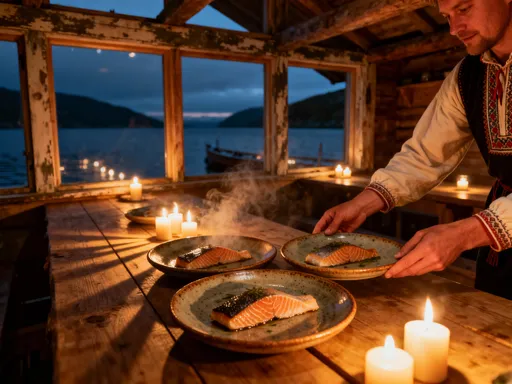
We followed a narrow path along the water’s edge, past moored boats and weathered sheds, until we reached a low wooden structure painted deep red. A single lantern glowed above the door. Inside, the space had been transformed: long tables made from reclaimed fishing docks, candles in glass jars, and shelves lined with jars of pickled vegetables and dried herbs. The air carried the scent of wood smoke and something savory simmering in a cast-iron pot.
There were only ten guests that night—locals, a few travelers, all seated together as if at a family gathering. No one asked for dietary restrictions or took photos. Phones stayed in pockets. The host greeted us quietly, offered a glass of homemade herbal infusion, and began to speak—not about the menu, but about the day’s catch, the weather, and why he started doing this. “I spent 30 years at sea,” he said. “Now I want to share what I brought home.”
The lack of digital trace made the experience feel even more special. No hashtags, no influencers, no pressure to perform. It was just real people, real food, and a real moment. In an age where everything is documented and shared, this was a rare act of presence. And it reminded me that some of the best travel experiences aren’t found by searching—they’re given, like a gift, to those who are open to receiving them.
A Night Like No Other: The Dining Experience Unfolds
The meal began with a simple gesture: a loaf of warm rye bread, still steaming from the oven, placed in the center of the table with a pat of churned butter flecked with sea salt. No instructions, no fanfare. We broke the bread with our hands, passing it around like a ritual. That small act set the tone for the evening—one of sharing, simplicity, and trust.
The first course arrived on handmade ceramic plates: a delicate tartare of line-caught Arctic char, marinated in buttermilk and dill, topped with tiny cubes of beetroot and a sprinkle of wild chives. It was cool, clean, and briny—a taste of the sea with a hint of earth. Each bite released layers of flavor, enhanced by the quiet hum of conversation and the gentle clink of glasses being refilled with a local apple cider.
As the night deepened, so did the sensory experience. The second course was a creamy soup made from roasted root vegetables—parsnip, carrot, and celeriac—blended with fresh cream and finished with a drizzle of cold-pressed rapeseed oil. It was served in small bowls, accompanied by a slice of dark, sourdough rye that had been baked that morning. The warmth of the soup spread through us, a comfort against the cool evening air seeping in from the harbor.
The main course was a masterpiece of restraint: a perfectly seared fillet of cod, its skin crisp and golden, resting on a bed of buttery new potatoes and braised kale. Beside it, a small mound of fermented turnips added a tangy contrast, cutting through the richness of the fish. The cod had been caught just hours before, brought in by a neighbor who still uses traditional lines and small boats. The host explained how he likes to cook it simply—“the fish speaks for itself,” he said—using only salt, butter, and time.
Dessert was a humble yet profound ending: a warm cloudberry crumble, its golden topping crackling slightly as it cooled, served with a dollop of whipped cream infused with vanilla and a touch of aquavit. Cloudberries, rare and delicate, grow only in the highlands and are harvested by hand in late summer. To taste them here, in this moment, felt like a privilege. As we ate, someone began to hum a traditional Norwegian tune, and soon others joined in softly, voices blending with the sound of waves lapping against the shore.
Throughout the meal, the atmosphere remained unhurried. There were no timed courses, no staff rushing between tables. The host moved quietly, refilling glasses, adjusting the fire, and occasionally sharing a story—about a storm at sea, about his grandmother’s recipes, about why he believes food should bring people together. It wasn’t a performance. It was a life shared, one plate at a time.
Meet the Host: A Local Story Behind Every Dish
What made the evening unforgettable wasn’t just the food—it was the man who prepared it. Lars, as he introduced himself later, had spent nearly four decades as a commercial fisherman, navigating the North Sea in all seasons. He spoke of winters so dark and rough that the boat became a second home, and summers so bright and calm that the water shimmered like glass. When he retired, he didn’t move away or settle into silence. Instead, he began to cook—first for family, then for friends, and eventually for strangers who came through personal recommendations.
His kitchen, the heart of the converted boathouse, was filled with well-worn tools: a knife with a wooden handle smoothed by years of use, a cast-iron skillet blackened from decades of cooking, shelves lined with jars of preserved fish, vegetables, and berries. Every object had a history. He showed us a photo of his father standing on the same dock, holding a massive cod, taken in the 1950s. “This is where it all began,” he said. “Not in a restaurant. Not in a cookbook. Here, on the water.”
Lars doesn’t consider himself a chef. He sees himself as a keeper of tradition—a bridge between the past and the present. His recipes aren’t written down; they’re remembered. He measures by feel, by smell, by memory. “My mother taught me to taste as I go,” he said. “She said the recipe is in your hands, not on paper.”
What struck me most was his humility. There was no ego, no desire for fame. He didn’t want a TV show or a cookbook deal. He simply wanted to share what he knows, to keep the stories alive, and to welcome people into his world. “When I was at sea,” he said, “I missed the table. Now that I’m here, I want others to feel what I missed.”
That night, we weren’t just eating a meal—we were becoming part of a story. Each dish carried a piece of his life, his family, his connection to the sea. And in sharing it, he gave us more than nourishment. He gave us belonging.
How to Find Your Own Private Dining Moment in Stavanger
So how can you experience something like this? The truth is, you can’t book it online. There’s no app, no website, no five-star rating to guide you. These experiences are built on trust, connection, and timing. But that doesn’t mean they’re out of reach. With patience and openness, you can increase your chances of finding your own hidden table.
Start by engaging with locals. Visit the Torget Market in the city center, where farmers, fishermen, and bakers sell their goods directly. Ask questions. Show interest. Buy a piece of cheese, taste a sample of cured salmon, and strike up a conversation. Norwegians may seem reserved at first, but they appreciate genuine curiosity. A simple “How did you learn to make this?” or “Where do you fish?” can open a door.
Consider joining a small-group food tour or cooking class. While these are more structured, they often connect you with passionate individuals who might know of private gatherings or be hosting one themselves. Look for operators that emphasize local stories and hands-on experiences rather than tourist checklists. These tours are often led by residents who take pride in sharing their culture, and they may invite you to something special if they sense your sincerity.
Timing matters. The best months to visit Stavanger for food-focused travel are late summer and early autumn—August through October. That’s when the harvest is at its peak: berries in the hills, vegetables in the gardens, and fish abundant in the fjords. The weather is milder, the days are long, and the sense of community is strong. Many private dinners happen during this season, often tied to local festivals or family gatherings that welcome visitors.
Be patient. Don’t expect instant access. These experiences are not transactional. They’re relational. The more you slow down, listen, and show respect for the culture, the more likely you are to be invited in. And when that invitation comes—whether through a smile at the market, a note from a guide, or a quiet message—say yes. Bring a small gift if you can—a bottle of wine, a packet of tea, something thoughtful. It’s not required, but it shows appreciation.
Most importantly, let go of the need to document everything. Put your phone away. Be present. These moments are not meant for feeds or followers. They’re meant for memory.
Beyond the Plate: Why This Kind of Travel Stays With You
In the days after the dinner, I found myself thinking not just about the food, but about the feeling. It wasn’t the kind of excitement that comes from ticking off a landmark or snapping a perfect photo. It was deeper—a quiet warmth, a sense of having been seen, included, and nourished in more ways than one.
This is the power of intimate travel. It moves beyond sightseeing into the realm of connection. It reminds us that the best journeys are not measured in miles, but in moments—when a stranger becomes a host, when a meal becomes a story, when a place becomes a part of you.
Stavanger’s private dining scene is not just about food. It’s about values: respect for nature, pride in tradition, and the belief that sharing a table is one of the most human things we can do. In a world that often feels rushed and disconnected, these experiences offer a different pace—a slower, quieter, more meaningful way to travel.
They also reflect a growing desire among travelers—especially women in their 30s to 50s—for authenticity and emotional resonance. It’s not about luxury or extravagance. It’s about truth. It’s about sitting across from someone who tells you about their life while serving you a dish their grandmother made. It’s about realizing that the world is full of quiet generosity, if only we take the time to notice.
As travel continues to evolve, experiences like these will become more precious. They resist mass tourism, commercialization, and the pressure to perform. They are fragile, fleeting, and deeply human. And perhaps that’s why they stay with us so powerfully—not because they were perfect, but because they were real.
In a world of curated feeds and crowded hotspots, Stavanger’s private dining scene offers something rare: realness. It reminds us that the best journeys aren’t always loud—they’re the ones shared over a quiet table, where every bite tells a story. Seek those moments. They’re out there, waiting.