You Won’t Believe These Hidden Natural Escapes Around Kobe
If you think Kobe is just about beef and city lights, think again. Tucked beyond the urban buzz are breathtaking protected areas where nature thrives in peace. I was stunned by how easily you can go from a bustling downtown sidewalk to a quiet forest trail or a seaside conservation zone. These green sanctuaries aren’t just beautiful—they’re essential. In this piece, I’ll walk you through the most surprising natural escapes near Kobe, why they matter, and how to experience them like a local.
Why Protected Areas Matter in a City Like Kobe
Kobe, a city celebrated for its cosmopolitan energy and culinary delights, also stands as a quiet leader in urban conservation. Nestled between mountains and sea, this coastal metropolis has long recognized the importance of preserving green spaces amid rapid development. Protected natural areas are not mere luxuries—they serve as vital lungs for the city, filtering air, regulating temperature, and offering residents a refuge from the mental strain of urban life. Studies consistently show that access to nature reduces stress and improves emotional well-being, making these spaces as essential as hospitals or schools.
What sets Kobe apart is its thoughtful integration of conservation into city planning. Rather than fencing off nature as a distant reserve, the city has woven protected zones into the fabric of daily life. From forested mountain slopes to coastal wetlands, these areas are accessible by public transit and designed for low-impact enjoyment. The city collaborates with environmental groups and academic institutions to monitor biodiversity, restore native vegetation, and educate the public about ecological stewardship. This blend of civic responsibility and natural beauty creates a model other cities could learn from.
Moreover, these protected areas play a crucial role in climate resilience. As global temperatures rise, urban heat islands become more dangerous, particularly for older adults and children. Green spaces help cool surrounding neighborhoods, reduce flooding through natural water absorption, and provide habitat for pollinators and birds that support broader ecosystems. In Kobe, conservation is not just about protecting scenery—it’s about safeguarding public health and long-term sustainability. For families, retirees, and anyone seeking balance, these natural escapes offer both solace and science-backed benefits.
Rokko Mountains: More Than Just a View
Rising just west of central Kobe, the Rokko Mountain range is one of Japan’s most accessible alpine environments, yet it remains a surprisingly wild and protected landscape. While many visitors know the area for its panoramic city views or the Rokko Garden Terrace, fewer realize that much of the mountain is designated as part of the Setonaikai National Park. This status ensures the preservation of its rich biodiversity, including rare alpine plants, migratory birds, and small mammals that thrive in its mixed forests of cedar, beech, and maple.
One of the most remarkable aspects of the Rokko Mountains is their microclimate diversity. Due to elevation changes and exposure to both inland and coastal weather patterns, the range supports ecosystems that vary dramatically over short distances. Hikers may start in a humid evergreen forest and, within an hour, reach a rocky ridge with wind-sculpted pines and wildflowers found nowhere else in the region. Endemic species like the Rokko violet and the Seto salamander are carefully monitored by local conservationists, who work to prevent habitat fragmentation caused by tourism or infrastructure.
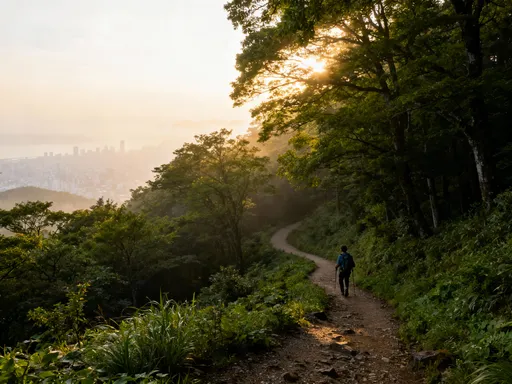
For visitors, the mountains offer trails suited to all fitness levels. The Rokko Cable Car provides an easy ascent to the mid-level station, from which several well-marked paths branch out. The Rokko Sanjo Trail is ideal for families, winding gently through shaded groves with interpretive signs about local flora. More experienced hikers might choose the longer route to Rokko Peak, where on clear days, the view stretches across Osaka Bay to Awaji Island. Spring brings cherry blossoms at lower elevations, while autumn paints the hills in fiery reds and golds. Regardless of season, the air is noticeably fresher, quieter, and imbued with the scent of pine and damp earth.
Accessibility is one of the Rokko Mountains’ greatest strengths. From Sannomiya Station, a short subway ride and cable car trip place visitors at the doorstep of wilderness. There are rest areas, clean restrooms, and small cafes serving local tea and sweets, making it easy for older adults or those with limited mobility to enjoy the surroundings. Yet despite the convenience, the sense of escape is real. Once on the trails, the city’s noise fades, replaced by bird calls and the rustle of leaves. This balance of ease and immersion makes Rokko a standout natural escape.
Nunobiki Herb Garden and Its Wilder Side
The Nunobiki Herb Garden is one of Kobe’s most photographed attractions, drawing visitors with its terraced blooms, fragrant lavender fields, and sweeping city vistas. Yet beyond the manicured gardens lies a quieter, wilder truth: the entire valley is part of a protected forest corridor that has been carefully preserved for over a century. The garden itself is built into the slopes of Mount Rokko, but it coexists with the Nunobiki Ravine, a narrow, forested gorge that remains largely untouched by commercial development.
This ravine is a hidden gem for nature lovers. A stone-paved trail follows a clear stream that tumbles down from the mountains, flanked by moss-covered rocks, ferns, and ancient camphor trees. The air here is cool and humid, carrying the soft sound of water over stones. Birdwatchers may spot the Japanese bush warbler or the brown-eared bulbul, while dragonflies hover above shaded pools. Unlike the open, sunlit garden above, the ravine feels intimate and secretive, as if stepping into a forgotten part of the city.
What makes this area special is the way it blends curated beauty with wild preservation. The Herb Garden is maintained for tourism, but the city ensures that surrounding vegetation remains native and undisturbed. Boardwalks and viewing platforms allow visitors to appreciate the ravine without damaging the ecosystem. Educational signs explain the importance of watershed protection—this stream ultimately feeds into Kobe’s water supply—and how invasive species are managed to protect local plants.
For a fulfilling visit, start at the garden to enjoy the colors and scents, then descend into the ravine for a quieter experience. The Nunobiki Falls, visible from several points along the trail, are especially striking after rainfall. While the garden draws crowds, the ravine often remains peaceful, even on weekends. It’s a perfect example of how urban spaces can honor both beauty and biodiversity. Families can picnic at designated areas, while solo visitors find moments of reflection beside the stream. This dual character—cultivated and wild—makes the Nunobiki area a microcosm of Kobe’s broader environmental philosophy.
Mount Maya: Night Views and Daytime Nature
Mount Maya is best known for its observatory, where visitors gather at night to witness one of Japan’s most famous city light displays—often called the “10 Million Dollar View.” Yet few realize that by day, the mountain transforms into a serene natural retreat, rich in flora and fauna. The slopes of Maya are part of the same protected forest system as Rokko, but they offer a distinct ecosystem shaped by elevation, soil composition, and exposure to sea breezes.
One of the most enchanting seasonal phenomena on Mount Maya is the summer firefly display. In June, as humidity rises, tiny Genji fireflies emerge along the banks of forest streams. These delicate insects, whose populations have declined in many urban areas, thrive here due to clean water and minimal light pollution. Guided night walks are offered during peak season, allowing visitors to witness this natural spectacle without disturbing the habitat. The experience is both magical and humbling—a reminder of nature’s quiet rhythms amid a modern city.
Daytime hikers will find a network of trails that wind through dense evergreen and deciduous forests. The Maya Peak Trail is moderately challenging but rewards with panoramic views and frequent wildlife sightings. The area is home to the Japanese wood pigeon, a near-threatened species, as well as foxes, raccoon dogs, and a variety of butterflies. Spring brings wild azaleas, while autumn colors rival those of Kyoto’s famed hills. The trail is well-maintained but never crowded, offering solitude even during peak seasons.
Access is straightforward: the Maya Cable Car runs from the base station near Kitano, a historic district of Kobe. From the upper station, the trail to the summit takes about 45 minutes. Alternatively, visitors can drive or take a bus to trailheads. The observatory area includes a small museum on local ecology and a café with views, but the true value of Mount Maya lies beyond the developed zones. By venturing onto the quieter paths, travelers discover a mountain that is not just a viewpoint, but a living, breathing ecosystem. It’s a place where nature and urban life coexist in quiet harmony.
Kobe’s Coastal Conservation Zones
While the mountains draw much of the attention, Kobe’s coastline also hosts vital protected areas that support marine and bird life. Port Island and Rokko Island, often seen as symbols of urban expansion, were designed with greenbelts and artificial wetlands integrated into their layout. These spaces are not afterthoughts—they are functional ecosystems that provide habitat for migratory birds, filter runoff, and offer residents a place to walk, cycle, and connect with nature.
One of the most significant sites is the Port Island South Park, which includes a constructed tidal flat and reed beds that mimic natural estuaries. Every spring and autumn, this area welcomes migratory birds such as the black-tailed gull, the little egret, and various species of sandpipers. Birdwatching platforms and binocular stations make it easy for visitors to observe without intrusion. The city partners with ornithologists to track species and ensure the wetlands remain healthy, adjusting water levels and vegetation as needed.
These coastal zones also serve as outdoor classrooms. School groups visit to learn about marine biology, water quality, and the importance of wetlands in flood prevention. For families, the wide, flat paths are ideal for strollers and bicycles, and picnic areas are shaded by wind-resistant pines. Unlike wilder mountain trails, these spaces are fully accessible, making them inclusive for older adults and those with mobility challenges.
What’s remarkable is how these areas blend engineering with ecology. The artificial wetlands are designed to purify rainwater before it enters the sea, reducing pollution in Osaka Bay. At the same time, they create a sense of openness and calm, a contrast to the surrounding port infrastructure. For residents, a walk along the seawall at sunset—watching birds glide over the water while the city lights begin to glow—is a daily ritual of peace. These spaces prove that even in a developed urban coastline, nature can thrive when given room and care.
Getting There: Practical Transit Tips for Nature Lovers
One of the greatest advantages of exploring nature near Kobe is the ease of access via public transportation. The city’s rail and bus networks are efficient, clean, and well-marked in English, making independent travel simple even for international visitors. Most of the natural areas described—Rokko, Nunobiki, Maya, and the coastal parks—are reachable within 30 to 45 minutes from central Kobe, such as Sannomiya or Shin-Kobe stations.
For mountain destinations, the Hankyu and Kobe Electric Railway lines provide direct access. The Rokko Cable Car connects to the subway at Rokko Station, while the Maya Cable Car links to the Kitano Station bus line. Port Island and Rokko Island are served by the Kobe New Transit, an automated rail system with panoramic views. Buses also run frequently to trailheads and park entrances, with clear signage indicating stops and routes.
To save money, visitors should consider purchasing a Kobe City Bus & Subway Pass, which offers unlimited rides for one or two days. Another option is the Kobe Sightseeing Pass, which includes access to cable cars and select attractions. These passes are available at major stations and tourist information centers. For those planning multiple nature outings, combining a rail pass with local transit options maximizes flexibility and value.
Timing is also important. Weekday mornings are ideal for avoiding crowds, especially at popular spots like the Nunobiki Herb Garden or Mount Maya Observatory. Spring (March to May) and autumn (October to November) offer the most comfortable temperatures and the best scenery. Summer can be humid, but early mornings or late afternoons are pleasant, particularly near the coast. Winter brings crisp air and fewer visitors, with occasional snow on the higher peaks adding a quiet beauty. Checking local weather and event calendars helps ensure a smooth, enjoyable trip.
How to Visit Responsibly
As more people discover Kobe’s natural escapes, the importance of responsible tourism grows. These protected areas are not theme parks—they are living ecosystems that depend on careful stewardship. The simplest rule is to leave no trace: carry out all trash, stay on marked trails, and avoid picking plants or disturbing wildlife. Even small actions, like feeding birds or straying off-path, can have long-term impacts on fragile habitats.
Respect for local guidelines is essential. Many trails have signs asking visitors to avoid certain areas during nesting season or after heavy rain. Some zones restrict drones or prohibit loud noises to protect animals and other visitors. Following these rules isn’t just polite—it’s necessary for conservation. The city has invested in infrastructure like composting toilets and recycling bins to support sustainable visitation, and using these facilities correctly helps maintain cleanliness and ecological balance.
Local initiatives also encourage mindful travel. Volunteer clean-up events are held monthly in parks and along trails, open to residents and tourists alike. Some gardens and nature centers offer eco-tours led by trained guides who share knowledge about native species and conservation efforts. Participating in these programs deepens the experience and fosters a sense of connection to the place.
Ultimately, responsible visitation is about gratitude and awareness. These spaces exist because past generations chose to protect them. By traveling mindfully, today’s visitors help ensure that future families can also walk forest trails, hear birdsong, and feel the sea breeze. Every footstep on a designated path, every piece of litter collected, is a small act of care. In a world where nature is increasingly under pressure, such choices matter deeply.
Kobe’s true charm lies not only in its modernity but in its harmony with nature. From the misty peaks of Rokko to the quiet streams of Nunobiki and the protected shores of Port Island, the city offers a rare balance—urban vitality and natural serenity coexisting in graceful rhythm. These landscapes are more than scenic backdrops; they are living systems that sustain air, water, wildlife, and human well-being. To explore them is to witness a city that values both progress and preservation. So step beyond the beef and the bright lights. Follow the trails, breathe the forest air, and discover the quiet power of Kobe’s protected places. In every rustling leaf and distant birdcall, there is a story of balance, care, and enduring beauty—waiting to be heard.