You Gotta See This: Bordeaux’s Shopping Scene Is Absolutely Lit
Who knew Bordeaux was a shopping paradise? I certainly didn’t—until I wandered its sun-drenched streets and stumbled upon boutiques tucked between wine bars and 18th-century facades. It’s not just about luxury brands; it’s the blend of local craftsmanship, vibrant markets, and pedestrian-friendly promenades that makes shopping here unforgettable. Whether you’re hunting for silk scarves or artisanal chocolates, Bordeaux delivers style with soul. Let me take you through the commercial heartbeat of this elegant French gem.
The Pulse of Place de la Comédie
Situated at the heart of Bordeaux’s urban rhythm, Place de la Comédie is more than just a scenic square—it’s a sensory introduction to the city’s retail culture. Dominated by the majestic Grand Théâtre de Bordeaux, with its neoclassical columns and golden Apollo statue, the square sets a tone of refined elegance that carries through the surrounding shopping districts. This is where locals meet for morning coffee, tourists pause to admire the architecture, and retail explorers begin their day. The space itself is designed to welcome: wide cobblestone paths, shaded benches, and a subtle slope that draws foot traffic effortlessly from the theater toward the city’s main shopping arteries.
What makes Place de la Comédie such an ideal starting point is its role as a navigational anchor. Radiating from this central hub are key shopping streets like Rue Sainte-Catherine and Allées de Tourny, both of which lead shoppers into different facets of Bordeaux’s commercial life. Flagship stores from major French and international brands—think Zara, Sephora, and Longchamp—line the perimeter, offering a mix of fashion, beauty, and accessories. But beyond the recognizable names, it’s the smaller details that elevate the experience: the scent of freshly baked pastries from nearby bakeries, the soft chime of street musicians near the theater steps, and the warm glow of café terraces that invite lingering.
Moreover, the square embodies Bordeaux’s commitment to pedestrian-friendly urban planning. With no through traffic and ample public space, it allows visitors to orient themselves without the rush or noise common in other European city centers. Tourists can pause, consult maps, or simply absorb the atmosphere before diving into a day of shopping. The proximity to the city’s tram lines also makes it a convenient transfer point, allowing those who wish to explore farther-flung districts to do so with ease. In many ways, Place de la Comédie is not just a gateway to shopping—it’s a preview of the city’s charm, where culture, commerce, and comfort intersect.
Rue Sainte-Catherine: Europe’s Longest Shopping Street
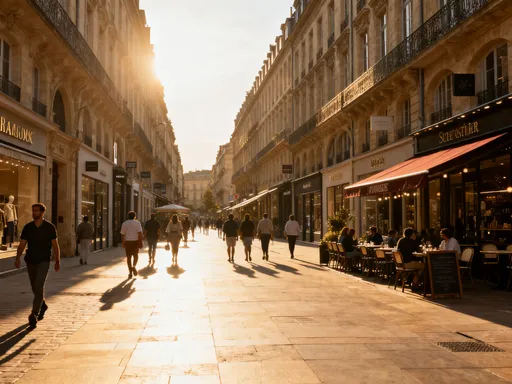
Stretching an impressive 1.2 kilometers from Place de la Comédie to Place de la Victoire, Rue Sainte-Catherine holds the title of Europe’s longest continuous pedestrian shopping street—and it lives up to the reputation. Lined with a dynamic mix of international retailers, French staples, and independent boutiques, this thoroughfare offers something for every taste and budget. From high-street fashion to specialty bookstores and tech accessories, the street maintains a steady rhythm that keeps shoppers engaged without feeling overwhelming. Its uninterrupted walkability, free of cars and crosswalks, allows for a seamless journey where one storefront naturally leads to the next.
What sets Rue Sainte-Catherine apart is not just its length but its thoughtful design. The street is paved with smooth stone, gently sloped for ease of movement, and flanked by wide sidewalks that accommodate outdoor displays, seasonal markets, and café seating. Canopies and historic façades provide shade in summer and shelter in light rain, making it a year-round destination. Strategic lighting enhances the ambiance in the evening, transforming the street into a softly illuminated promenade where shopping blends with strolling and socializing. This balance of function and beauty reflects Bordeaux’s broader urban philosophy: commerce should be accessible, enjoyable, and integrated into daily life.
Along the route, shoppers will encounter a curated mix of retail experiences. Global brands like H&M, Mango, and Uniqlo anchor the lower end, while mid-range French favorites such as La Grande Récré (a beloved toy store) and FNAC (a cultural retail hub for books, music, and electronics) add variety. Nestled between them are smaller shops offering niche products—handmade soaps, regional wines, and curated stationery—inviting exploration beyond the mainstream. Hidden courtyards and side passages, like the elegant Galerie de Bourbon, offer brief escapes from the main flow, revealing intimate boutiques and quiet seating areas.
For visitors, walking the full length of Rue Sainte-Catherine is both a shopping trip and a cultural immersion. It’s common to see locals stopping for a quick coffee, meeting friends at a corner bistro, or browsing a pop-up market during holiday seasons. The street’s energy is lively but never frantic, reflecting the city’s relaxed yet sophisticated pace. Whether you’re looking for a new wardrobe update or simply soaking in the atmosphere, Rue Sainte-Catherine delivers a retail experience that feels both comprehensive and distinctly Bordeaux.
Chartrons: Where Antiques and Wine Meet Chic
Nestled along the Garonne River, the Chartrons district offers a quieter, more refined counterpoint to the bustle of central Bordeaux. Once a hub for wine merchants and international traders in the 18th century, this historic neighborhood has evolved into a haven for antique lovers, art collectors, and those seeking a more curated shopping experience. Cobblestone streets wind past converted warehouses, now home to art galleries, vintage furniture stores, and concept boutiques that blend old-world charm with contemporary design. The area’s industrial past is still visible in its brick facades and wrought-iron details, giving the district a unique character that feels both authentic and upscale.
One of Chartrons’ defining features is its concentration of antique galleries. Dozens of shops line Rue des Bahutiers and Rue du Pont-de-la-Mousque, offering everything from Louis XV commodes to Art Deco lighting and mid-century ceramics. These are not mere tourist shops filled with replicas; many dealers are certified experts who restore and authenticate their pieces, catering to serious collectors and interior designers. Browsing here feels less like shopping and more like curating a personal museum—each object tells a story, and many stores encourage conversation, allowing visitors to learn about provenance, craftsmanship, and restoration techniques.
Equally compelling are the district’s wine-related offerings. Chartrons was historically the center of Bordeaux’s wine trade, and today it remains a destination for oenophiles. Wine brokers, or négociants, still operate in the area, and several shops specialize in rare vintages, wine accessories, and tasting experiences. Some former warehouses have been transformed into wine concept stores where visitors can sample regional blends while browsing curated gift collections—from engraved decanters to leather-bound tasting journals. These spaces blend commerce with education, making them ideal for those who want to bring home more than just a bottle.
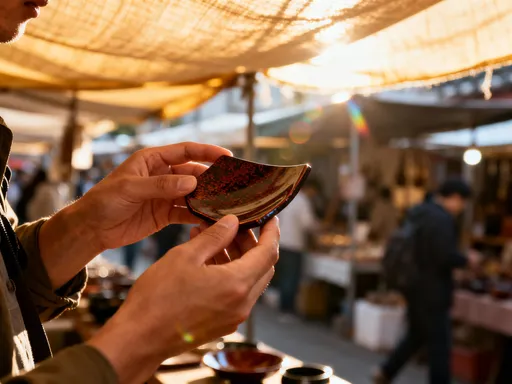
On Saturdays, the Chartrons Market brings additional vibrancy to the neighborhood. Held under a covered pavilion near the Quai des Chartrons, this weekly market features local producers selling organic cheeses, fresh oysters, heirloom vegetables, and handmade pastries. Unlike larger tourist markets, this one is frequented primarily by residents, lending it an authentic, community-driven feel. Shoppers can assemble a gourmet picnic or pick up specialty ingredients to recreate Bordeaux flavors at home. The market also includes stalls selling artisanal soaps, linen goods, and regional honey, making it a perfect spot for thoughtful, locally made souvenirs.
Les Halles de Bacalan: A Modern Market Experience
Just a short tram ride from the city center, Les Halles de Bacalan represents a bold evolution in the traditional French market concept. Housed in a striking glass-and-steel structure that was once a slaughterhouse, this indoor market combines industrial heritage with contemporary design, creating a bright, airy space that feels both modern and welcoming. Open daily, it serves as a culinary and retail destination where locals shop for fresh ingredients and visitors explore the best of regional gastronomy. With over 30 vendors under one roof, the market offers a carefully curated selection of cheeses, charcuterie, seafood, bread, wine, and handmade confections.
What distinguishes Les Halles de Bacalan is its emphasis on quality and provenance. Each vendor is selected for their commitment to sourcing from local farms and producers, ensuring that everything sold is fresh, seasonal, and traceable. Cheese lovers will find a dazzling array of regional specialties—from creamy Bordeaux goat cheese to aged Basque brebis—while seafood enthusiasts can watch oysters being shucked to order. The market also features a dedicated wine bar and a casual restaurant where guests can enjoy a glass of local red paired with a charcuterie board, all without leaving the premises.
Beyond food, the market includes several stalls selling artisanal gifts and lifestyle products. Hand-poured candles, ceramic tableware, and organic skincare made in nearby workshops offer meaningful alternatives to mass-produced souvenirs. These items reflect the broader trend in Bordeaux toward sustainable, locally crafted goods, appealing to shoppers who value authenticity and environmental responsibility. Many vendors are happy to wrap purchases beautifully, making them ideal for gifts.
For families and those seeking comfort, the market is exceptionally well-designed. Wide aisles accommodate strollers, seating areas are plentiful, and a dedicated children’s play zone allows parents to shop or dine with peace of mind. The building’s large windows flood the space with natural light, while heating and ventilation systems ensure comfort in all seasons. Unlike open-air markets that can be affected by weather, Les Halles de Bacalan provides a consistent, enjoyable experience year-round. It’s a place where shopping, dining, and discovery come together in a setting that honors tradition while embracing modern convenience.
Hidden Courtyards and Secret Malls
While Bordeaux’s main avenues draw the crowds, some of the city’s most rewarding shopping experiences are found in its lesser-known passages and covered galleries. These hidden spaces—often tucked behind unassuming doorways or accessed through narrow archways—offer a retreat from the elements and the hustle, revealing intimate boutiques, designer studios, and lifestyle concept stores. Among the most notable is Galerie Bordelaise, a 19th-century shopping arcade that predates even the famous passages of Paris. With its glass ceiling, polished stone floors, and elegant ironwork, the gallery exudes old-world charm while housing a selection of independent brands and specialty shops.
Here, visitors can discover boutiques offering handcrafted jewelry, bespoke leather goods, and limited-edition fashion from emerging French designers. Unlike the standardized offerings of chain stores, these shops emphasize uniqueness and craftsmanship, often allowing customers to meet the creators or place custom orders. The atmosphere is calm and unhurried, encouraging thoughtful browsing rather than impulse buying. Small cafés and flower shops nestled between retail spaces add to the sense of discovery, making the gallery feel like a secret world within the city.
Another gem is Cour Carrée, a recently revitalized courtyard in the city center that blends historic architecture with contemporary retail. Once a private residential court, it now hosts rotating pop-up shops, artisan markets, and seasonal events. During the holidays, it transforms into a festive village with wooden chalets selling handmade ornaments, mulled wine, and gourmet treats. In warmer months, the space becomes an open-air lounge with live music and al fresco dining, creating a dynamic environment where shopping and leisure coexist.
These sheltered spaces serve an important function beyond retail—they provide comfort and continuity. In rainy weather, they offer dry, well-lit alternatives to outdoor streets. During peak tourist seasons, they allow visitors to escape the crowds while still engaging with local commerce. Most importantly, they preserve a sense of intimacy in an increasingly globalized retail landscape. For the discerning shopper, these hidden courtyards are not just alternatives; they are destinations in their own right, offering a more personal, reflective way to experience Bordeaux’s shopping culture.
Local Brands and What to Buy
One of the greatest pleasures of shopping in Bordeaux is the opportunity to bring home authentic, regionally made products that reflect the city’s heritage and craftsmanship. While souvenirs like magnets and postcards have their place, the most meaningful purchases are those rooted in local tradition. At the top of any list should be cannelés—small, caramelized pastries with a soft custard center and a crisp, rum-infused crust. Originally created by nuns in the 18th century, these treats are now a symbol of Bordeaux’s culinary identity. The best are baked fresh daily in specialty shops like Baillardran or Cannellior, where long lines are a testament to their quality.
Equally iconic is pineau des Charentes, a sweet aperitif made by blending grape must with Cognac. Though produced just outside Bordeaux in the Charente region, it is widely available in wine shops and supermarkets throughout the city. Available in both white and red varieties, it makes for a distinctive gift that pairs beautifully with desserts or cheese. Look for bottles labeled “AOC” to ensure authenticity and quality.
Textiles and fashion also offer rich opportunities for authentic shopping. The region has a long tradition of fine linen and wool production, and several boutiques specialize in scarves, throws, and clothing made from locally sourced materials. Stores like La Maison des Canuts or Petites Pièces offer elegant, understated designs that reflect Bordeaux’s aesthetic: timeless, refined, and quietly luxurious. Many of these brands prioritize sustainable practices, using natural dyes and small-batch production methods.
When shopping for local goods, it’s important to look for signs of authenticity. Seek out stores that emphasize “fabriqué à Bordeaux” or “produit local,” and don’t hesitate to ask staff about the origin of products. Farmers’ markets, artisan fairs, and certified boutiques are more reliable than generic souvenir shops. By choosing quality over quantity, shoppers not only acquire beautiful items but also support the local economy and preserve traditional crafts.
Practical Tips for a Smooth Shopping Trip
To make the most of your shopping experience in Bordeaux, a few practical considerations can go a long way. Most stores in the city center are open from 9:30 or 10:00 a.m. to 7:00 or 8:00 p.m., Monday through Saturday, with many closing for a midday break between 12:30 and 2:30 p.m., especially in smaller boutiques. Larger department stores and shopping centers like Les Quinconces or Marché des Capucins may stay open continuously. Sundays are more limited—only major supermarkets, pharmacies, and select shops in tourist areas remain open, typically from noon to 7:00 p.m.
Non-EU residents are eligible for tax-free shopping at participating stores, provided they spend a minimum amount—usually €100 or more in a single transaction. To claim the refund, ask for a tax-free form at checkout, keep your receipts, and present your purchases and documents at the customs desk when leaving the EU. Many stores in central Bordeaux, particularly those on Rue Sainte-Catherine, display the Global Blue or Premier Tax Free logo, making it easy to identify qualifying retailers.
When it comes to payment, credit cards are widely accepted, especially Visa and Mastercard. American Express is less common but available in larger stores and hotels. While cash is still useful for small purchases at markets or cafés, most transactions can be handled card-only. Contactless payments are standard, and ATMs are readily available throughout the city.
For comfort, wear supportive shoes—Bordeaux’s streets are largely walkable but paved with stone, which can be tiring over long distances. A lightweight bag or tote is ideal for carrying purchases, and a reusable water bottle is recommended, as public fountains are available. To avoid peak crowds, consider shopping early in the morning or late afternoon. Combining shopping with sightseeing is easy thanks to Bordeaux’s efficient tram system, which connects major districts with frequent service. Lines A and B pass through key shopping areas, including Place de la Comédie and Quinconces, allowing for seamless transitions between retail and cultural stops.
Finally, resist the urge to rush. Bordeaux rewards slow exploration. Allow time to pause at a café, chat with a shopkeeper, or simply watch the world go by. The best souvenirs are often found not in planned stops but in unexpected moments—a handwritten recipe from a market vendor, a hand-painted tile from a hidden gallery, or the memory of sunlight filtering through a glass arcade. These are the treasures that linger long after the trip ends.
Bordeaux isn’t just France’s wine capital—it’s a masterclass in stylish, sustainable urban retail. From grand avenues to hidden alleys, every purchase tells a story. By blending tradition with modern flair, its commercial areas invite you not just to shop, but to connect. Next time you’re in the city, let your curiosity lead—you might just find more than you were looking for.