You Won’t Believe These Hidden Urban Gems in Cairo
Cairo is more than ancient pyramids and bustling bazaars—its urban spaces tell a whole new story. As the city pulses with creativity, hidden courtyards, rooftop escapes, and street art alleys are transforming the way travelers experience Egypt’s capital. I wandered through its dynamic neighborhoods and found spots so visually rich, they stopped me mid-step. If you’re chasing Instagram-worthy moments beyond the classics, Cairo’s modern soul is waiting to be discovered.
The Pulse of a Modern Metropolis
Cairo’s heartbeat thrums through its streets, where centuries of history layer over one another like brushstrokes on a canvas. While the Pyramids of Giza and the Egyptian Museum draw millions each year, a quieter but equally compelling narrative unfolds in the city’s everyday spaces. Downtown Cairo, once the elegant core of early 20th-century urban planning, now hums with a mix of nostalgia and reinvention. Wide boulevards lined with French-inspired facades stand shoulder to shoulder with street vendors selling koshari from steaming carts. The contrast is not jarring—it’s harmonious in its imperfection. This is a city that embraces contradictions, where ornate iron balconies drip with bougainvillea one moment and, around the next corner, a freshly painted mural bursts with color against a weathered wall.
Garden City, another historic district, offers a more tranquil rhythm. Tree-lined avenues and colonial-era villas whisper of a refined past, yet the neighborhood remains alive with contemporary energy. Commuters weave through traffic on scooters, children play near sidewalk cafes, and the occasional donkey cart still rattles down side streets—a reminder that tradition and modernity coexist here without apology. For the observant traveler, these juxtapositions are not just visually striking; they invite deeper engagement. Photographing a crumbling cornice framed by a neon shop sign isn’t merely aesthetic—it’s storytelling. It captures the resilience of a city that has weathered time, economic shifts, and social transformation, yet continues to evolve with quiet dignity.
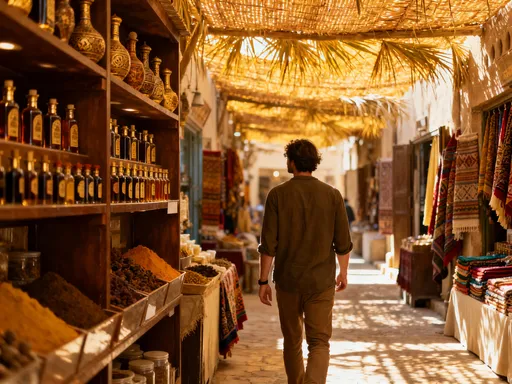
Shifting focus from monuments to streetscapes allows visitors to experience Cairo as locals do—through the texture of daily life. A morning walk through downtown reveals shopkeepers sweeping marble thresholds, elderly men sipping tea at sidewalk tables, and artisans repairing brass lanterns in open-air workshops. These moments, fleeting and unscripted, offer a more intimate understanding of Egyptian culture than any guided tour can provide. The city’s visual richness lies not in perfection, but in its authenticity. By embracing the grit, the noise, and the unexpected beauty of its urban fabric, travelers gain access to a Cairo that is vibrant, human, and profoundly real.
Rooftop Escapes with a View
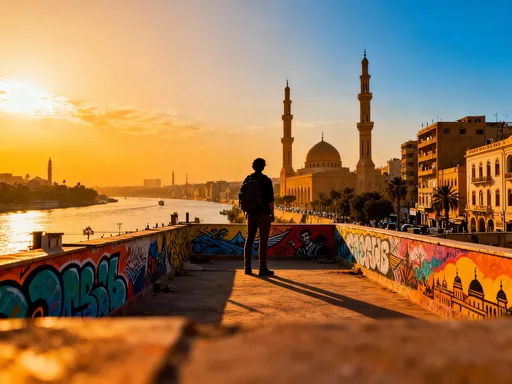
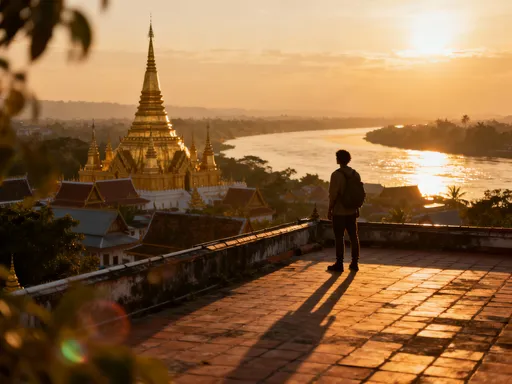
Above the clamor of Cairo’s streets lies a world of stillness and sweeping vistas—its rooftop culture. Often overlooked by first-time visitors, these elevated sanctuaries offer some of the most breathtaking perspectives in the city. As the sun dips below the horizon, casting a golden glow over minarets and domes, rooftops across Zamalek and central Cairo become quiet stages for contemplation and photography. The air cools, the call to prayer echoes across the Nile, and for a brief moment, the city seems to pause. These spaces, accessible through boutique hotels, cultural centers, or local cafés, provide a rare sense of peace amid the urban rush.
Zamalek, an island neighborhood in the Nile, is particularly known for its rooftop gatherings. Here, palm trees sway in the evening breeze, and the river shimmers under fading light. While specific venues may change over time, the experience remains consistent: a place to sit with a glass of hibiscus juice or mint tea, watch the skyline transform from day to night, and absorb the rhythm of the city from a distance. These rooftop spots are not just scenic—they’re social. Locals gather in small groups, sharing stories and laughter, while visitors quietly observe, cameras in hand, capturing the warm hues of sunset reflecting off limestone buildings.
For photographers, rooftops offer unmatched opportunities. The elevated vantage point allows for clean compositions, framing distant landmarks like the Cairo Tower or the domes of Al-Rifa’i Mosque against dramatic skies. Long exposures during twilight can turn moving car lights into glowing ribbons along the Corniche, while wide-angle lenses capture the sprawling density of the city without the clutter of street-level distractions. Even without professional gear, a smartphone can produce stunning results when the light is just right. The key is timing—arriving an hour before sunset ensures enough time to settle in, scout angles, and wait for that magical window when the sky turns from gold to deep indigo.
Street Art and Urban Expression
If rooftops offer escape, Cairo’s street art alleys offer immersion. Nowhere is this more evident than on Mohamed Mahmoud Street, a narrow lane just off Al-Azhar University that has become an open-air gallery of political and social expression. What began as a spontaneous response to the 2011 uprising has evolved into a powerful movement of urban storytelling. Walls once plain and forgotten now pulse with color, depicting portraits of activists, symbolic figures, and poignant messages about justice, memory, and resistance. These murals are not tourist attractions by design—they are acts of civic dialogue, painted by artists who see the city as both canvas and confessional.
Walking through these alleys is like reading a living newspaper. Some murals are meticulously detailed, with photorealistic faces emerging from cracked plaster. Others use bold, graphic styles to convey urgency and emotion. Stencils, spray paint, and even mosaic fragments come together in a visual language that transcends words. The art changes constantly—new pieces appear overnight, while older ones are painted over or fade with time. This impermanence is part of its power; it reflects the ongoing conversation between the people and their city. For visitors, it’s a chance to witness history in motion, not confined to museum cases but alive on the walls.
Respect is essential when exploring these spaces. While photography is common, it’s important to remain mindful of the context. These are not just backdrops for selfies—they are memorials, protests, and testaments to loss and hope. Early mornings are ideal for visits, when soft light enhances the colors and the streets are less crowded. This timing also allows for quiet reflection, away from the midday heat and noise. Some local guides offer walking tours that provide background on the artists and the stories behind the murals, adding depth to the experience. Whether you understand Arabic or not, the emotion in the artwork is universal—a testament to the courage and creativity of a generation that uses paint to speak truth.
Hidden Courtyards and Architectural Surprises
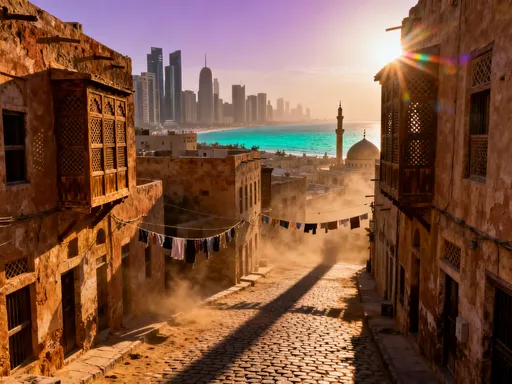
Beyond the streets and rooftops, Cairo holds quieter secrets—hidden courtyards tucked within ancient neighborhoods. These intimate spaces, often invisible from the outside, reveal the city’s architectural soul. In Islamic Cairo, narrow alleys wind like labyrinths, leading to unexpected oases of calm. Step through an unassuming archway, and you might find yourself in a sunlit courtyard surrounded by carved stone columns, stained-glass windows, and the soft trickle of a fountain. These spaces, once private homes or religious schools, were designed for contemplation and community. Today, some have been restored as cultural centers, galleries, or small museums, while others remain quietly maintained by families who have lived there for generations.
The beauty of these courtyards lies in their details. Intricate mashrabiya screens—latticed wooden windows—filter sunlight into delicate geometric patterns on the floor. Hand-painted tiles in turquoise, cobalt, and gold line the walls, their colors still vibrant centuries after they were laid. Shaded arcades offer relief from the sun, their columns echoing the proportions of ancient mosques. These spaces are not grand in scale, but they are rich in atmosphere. They invite slowness—pausing to trace a carved motif, listening to the echo of footsteps on stone, or simply sitting in silence as the city hums beyond the walls.
Discovering these courtyards requires curiosity and patience. Many are not marked on maps or advertised online. Some are accessed through modest doorways that blend into the street, their significance known only to those who look closely. A gentle inquiry at a nearby shop or a smile to a passing resident might lead to an invitation or a helpful direction. The act of wandering without a fixed destination becomes its own reward. In a city often experienced through checklist tourism, these hidden gems remind us that the most memorable moments are often unplanned. They reward the traveler who moves slowly, observes deeply, and respects the quiet dignity of places that were never meant to be rushed.
Urban Photography Tips for Authentic Shots
Capturing Cairo’s urban essence goes beyond pointing and shooting—it’s about seeing with intention. The city offers endless photographic opportunities, but the best images come from thoughtful preparation and respectful engagement. Lighting is one of the most critical factors. Early morning, just after sunrise, bathes the city in soft, warm tones, ideal for photographing architectural details and quiet streets. Late afternoon, as the sun begins to lower, creates long shadows and golden highlights, especially effective for portraits and rooftop scenes. Midday light, harsh and direct, is best avoided unless you’re seeking high-contrast drama or shooting in shaded areas.
Reflections can add depth and creativity to your photos. Look for them in old windowpanes, puddles after rain, or even polished metal surfaces. A cracked glass window might reflect a passing figure, creating a layered image that tells multiple stories at once. Framing is another powerful tool—use archways, door frames, or mashrabiya screens to create natural borders around your subject. This not only adds composition interest but also connects the viewer to the architectural context. Wide-angle lenses are useful for capturing expansive views, while a 50mm prime lens can produce stunningly sharp street portraits with natural perspective.
Perhaps most important is the ethical dimension of urban photography. Cairo is a city of people, and many of its most compelling moments involve human presence. Always ask permission before photographing individuals, especially women and children. A smile, a nod, or a simple gesture can go a long way in building trust. If someone declines, respect their decision without argument. In crowded markets or religious sites, be discreet—use zoom lenses when appropriate and avoid intrusive behavior. Photography should be an act of connection, not intrusion. When done with care, it becomes a way of honoring the lives and stories that shape the city.
Navigating the City with Confidence
Exploring Cairo’s urban gems requires a balance of curiosity and caution. The city can feel overwhelming at first—its traffic is legendary, its streets dense and winding. But with the right approach, navigation becomes part of the adventure. Reliable transportation options have made getting around easier than ever. Uber and Careem are widely used and offer safe, air-conditioned rides at transparent prices. These apps are especially helpful for reaching neighborhoods that are less accessible by public transit. For shorter distances, local microbuses and the Cairo Metro provide affordable alternatives, though they can be crowded during peak hours.
Dressing modestly is recommended, not only out of cultural respect but also for personal comfort. Lightweight, loose-fitting clothing in natural fabrics helps manage the heat while aligning with local norms. Women may choose to cover their shoulders and knees, particularly when visiting religious sites or residential areas. Staying aware of your surroundings is important in busy districts—keep valuables secure, avoid displaying expensive electronics, and trust your instincts if a situation feels uncomfortable. That said, Cairo is generally welcoming to visitors, and many locals are eager to help, whether by giving directions or recommending a good place to eat.
To make the most of your time, consider combining experiences. Start your morning at a well-known landmark like the Mosque of Muhammad Ali, then spend the afternoon wandering the nearby streets of Islamic Cairo, where hidden courtyards and artisan workshops await. Pair a visit to the Egyptian Museum with an evening rooftop stop in downtown, allowing you to see the same area in different lights—literally and figuratively. This kind of layered exploration deepens your connection to the city, turning a simple itinerary into a meaningful journey. With a little planning and an open mind, Cairo reveals itself not as a chaotic maze, but as a city full of rhythm, warmth, and unexpected beauty.
Why Urban Cairo Matters
Beyond the postcard images of pyramids and pharaohs, urban Cairo represents the living, breathing present of a nation often viewed through the lens of its past. These hidden courtyards, rooftop retreats, and painted alleys are not just aesthetic pleasures—they are expressions of identity, resilience, and creativity. They reflect a society that honors tradition while embracing change, that finds beauty in decay, and that turns everyday spaces into sites of meaning. For travelers, engaging with these urban layers is a way to move beyond tourism as consumption and toward travel as connection.
Photographing a mural in Mohamed Mahmoud Street, sipping tea on a Zamalek rooftop, or discovering a forgotten courtyard in Old Cairo—these experiences do more than fill a camera roll. They create memories rooted in authenticity. They allow us to see Cairo not as a static monument, but as a dynamic, evolving city shaped by millions of daily lives. In a world where destinations are often reduced to hashtags and highlights, choosing to explore the real Cairo is an act of intention. It says we are willing to look closer, walk slower, and listen more deeply.
To the women who may be reading this—whether traveling solo, with family, or dreaming of a future journey—know that Cairo’s urban spaces can be welcoming, enriching, and safe when approached with awareness and respect. The city has much to offer those who seek not just sights, but stories. So pack your camera, wear comfortable shoes, and let curiosity guide you. Step off the beaten path, and let the rhythm of the streets lead you to moments you never expected. Because the Cairo that locals love—the one of quiet courtyards, golden sunsets, and whispered conversations on rooftops—is waiting to be discovered. And it’s more beautiful than you can imagine.