You Gotta See These Hidden Spots in Quito—Mind-Blowing Local Vibes!
Quito isn’t just about old churches and cobbled streets—trust me, the real magic happens where the locals hang out. I spent weeks exploring this high-altitude gem and found leisure spots that blew my mind. From rooftop views with empanada runs to chill cafés in forgotten courtyards, Quito’s vibe is unlike anywhere else. If you're looking for authentic, laid-back experiences beyond the guidebooks, this city delivers—big time.
The Pulse of Quito: Why Leisure Here Feels Different
Quito sits nearly 9,350 feet above sea level, cradled between mountain peaks and stretching across a long, narrow valley. This elevation shapes more than just the climate—it influences the rhythm of daily life. Visitors often notice how people move a little slower, speak a little softer, and savor moments a little longer. This isn’t laziness; it’s adaptation. The thin air teaches both locals and travelers to breathe deeper, walk with intention, and appreciate stillness. This natural pace makes Quito’s approach to leisure deeply intentional. Unlike fast-paced tourist hubs where experiences are rushed and packaged, here, downtime is woven into the city’s identity.
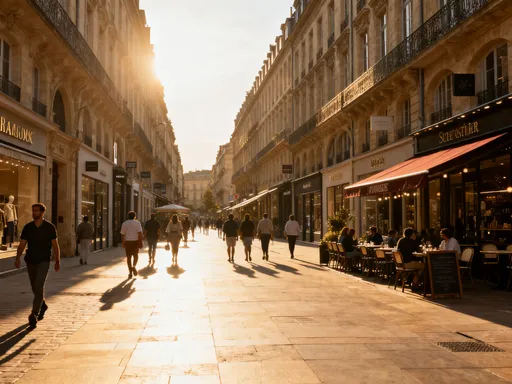
Plazas are the heartbeats of Quito’s social rhythm. They are not merely decorative spaces but living rooms for the community. Families gather on weekends, elders sip herbal infusions on benches, children chase pigeons across cobblestones, and street musicians strum folk tunes under colonial arches. These open squares—like Plaza de la Independencia, Plaza Santo Domingo, and the quieter corners of Plaza San Francisco—serve as anchors for connection and calm. They reflect a culture that values presence over productivity, a philosophy that invites visitors to unplug and simply be.
Green spaces also play a vital role in Quito’s leisure culture. With over 200 parks scattered throughout the city, residents have ample access to nature, even in densely populated zones. The integration of natural elements—flowering quito trees, Andean cypress, and fragrant eucalyptus—creates a sensory contrast to the urban bustle. Walking paths, exercise stations, and shaded picnic areas encourage outdoor activity at all ages. This balance between colonial architecture and green lungs gives Quito a unique duality: it feels ancient and alive, structured yet free-flowing. For travelers, embracing this rhythm means trading checklist tourism for slow immersion, allowing the city’s energy to unfold naturally.
La Ronda After Dark: History Meets Nightlife
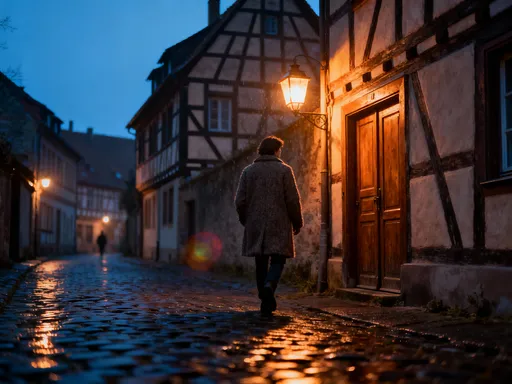
Stretching just a few blocks in the southern part of Quito’s historic center, Calle La Ronda is more than a street—it’s a living museum of tradition, music, and culinary heritage. By day, it’s dotted with artisans selling hand-carved masks, embroidered textiles, and bottles of aguardiente, a local spirit distilled from sugarcane. But as dusk falls, the atmosphere transforms. Lanterns flicker to life, casting golden hues on centuries-old facades. The scent of frying empanadas and simmering locro de papas—potato soup with cheese and avocado—drifts through the air. Guitarists begin to play, their melodies echoing off stone walls, while families, couples, and solo wanderers stroll through the gentle crowd.
What makes La Ronda special is its authenticity. Unlike commercialized nightlife districts in other Latin American capitals, this street remains rooted in community. Many of the fondas—family-run eateries—have operated for generations. One might find abuelas (grandmothers) preparing humitas, a steamed corn tamale wrapped in husks, while grandchildren serve drinks at wobbly wooden tables. These intimate settings offer a rare glimpse into domestic traditions passed down through decades. Travelers who sit and share a simple meal aren’t just eating—they’re being welcomed into a cultural narrative.
To truly enjoy La Ronda, timing is key. Arriving between 6:00 and 7:30 p.m. allows visitors to experience the transition from daylight to lantern glow without facing peak crowds. Weekends are livelier, but weekdays offer a more relaxed pace, ideal for conversation and observation. Strolling slowly, stopping at small workshops where artisans craft papel picado (cut paper decorations) or silver jewelry, adds depth to the visit. Bringing small bills is practical—many vendors don’t accept cards, and cash supports local micro-entrepreneurs directly. By respecting the space and engaging gently, travelers become part of the evening’s rhythm rather than mere spectators.
Café Culture in Bellavista: A Local’s Retreat
Nestled along a ridge overlooking central Quito, the Bellavista neighborhood exudes creative calm. Once a quiet residential zone, it has evolved into a haven for artists, writers, and professionals seeking respite from the city’s intensity. Cobblestone lanes wind past colorful houses adorned with climbing bougainvillea, while the distant silhouette of Pichincha Volcano looms in the background. This area doesn’t shout for attention—it whispers, inviting visitors to pause, sip, and observe.
Bellavista’s café scene thrives on independence and authenticity. Unlike chain coffee shops, these spaces are often family-owned, each with its own personality. One might find a sunlit corner with mismatched armchairs and shelves lined with secondhand books in Spanish and English. Another could feature rotating exhibits of local paintings or handmade ceramics for sale. The coffee itself is often sourced from nearby Andean farms, roasted in small batches, and brewed with care. A simple order of café con leche served in a hand-thrown mug becomes a ritual, not just a caffeine fix.
What sets these cafés apart is their emphasis on atmosphere over efficiency. There’s no pressure to order and leave. Patrons linger for hours, reading, sketching, or engaging in quiet conversation. Some spots offer outdoor terraces with panoramic views—perfect for watching the city lights flicker on at dusk. Travelers who choose to spend an afternoon here aren’t just drinking coffee; they’re participating in a lifestyle that values slowness and mindfulness. Pairing a warm beverage with people-watching offers subtle rewards: a glimpse of neighborhood life, the laughter of children returning from school, or the sight of an old man walking his dog along the cobblestones. These moments, unscripted and unhurried, are the essence of Bellavista’s charm.
Parque La Carolina: Urban Escape in the Heart of the City
Spanning over 180 acres in northern Quito, Parque La Carolina is the city’s green crown. Once part of a private estate, it was donated to the public in the 1970s and has since become a cornerstone of urban leisure. Unlike formal European-style parks, La Carolina feels organic and inclusive. It’s where office workers jog during lunch breaks, families picnic on weekends, cyclists weave through tree-lined paths, and yoga groups gather at sunrise. The park doesn’t segregate activities—it embraces them all, creating a dynamic yet harmonious environment.
One of its most beloved features is the network of walking and biking trails that loop around lakes and through native forest zones. These paths are well-maintained and clearly marked, making them accessible to all fitness levels. Along the way, visitors pass through areas dedicated to biodiversity, where interpretive signs educate about Andean flora and fauna. The park also hosts a popular Sunday farmers’ market, where local producers sell fresh fruits, organic honey, artisan bread, and herbal teas. This blend of recreation and sustainability reflects Quito’s growing commitment to eco-conscious urban living.
For travelers, integrating into Parque La Carolina is effortless. Entry is free, and the atmosphere is welcoming. Security personnel patrol regularly, and the presence of families and groups creates a safe, communal vibe. Amenities like public restrooms, water fountains, and shaded seating areas enhance comfort. Nearby, the city has developed a commercial corridor with cafés, bookstores, and wellness centers, allowing visitors to extend their stay. Whether one chooses to rent a paddleboat, attend a free outdoor concert, or simply lie on the grass beneath a waxing moon, the park offers a rare balance: it’s vibrant yet peaceful, social yet serene. It’s not just a green space—it’s a mirror of Quito’s soul, where nature and city life coexist in harmony.
Rooftop Relaxation with a View: Sky-High Downtime
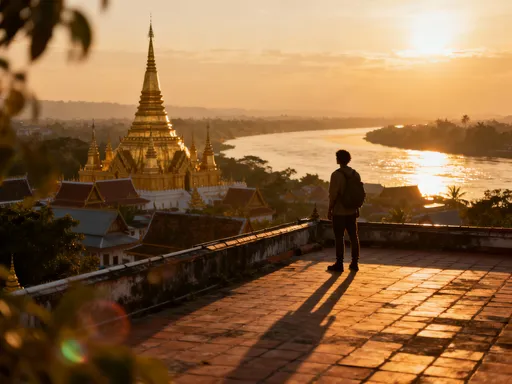
In recent years, Quito has embraced its skyline with a growing number of rooftop bars and lounges, particularly in the historic center and newer business districts. These elevated spaces offer more than drinks—they deliver perspective. As the sun dips behind the Andes, the city transforms. Golden light washes over red-tiled roofs, the spires of churches glow, and distant volcanoes—Cotopaxi, Cayambe, and Antisana—emerge in silhouette. It’s a moment of quiet awe, best experienced with a warm beverage in hand and the hum of the city below.
While some rooftops cater to tourists with loud music and cocktail menus, others maintain a low-key, local-friendly atmosphere. These hidden gems often belong to boutique hotels or small restaurants and are discovered more by word of mouth than online reviews. One might find a wooden deck with hammocks facing the western horizon, where patrons sip atol de maíz—a warm, spiced corn drink—or order a modest plate of cheese empanadas. The vibe is conversational, not performative. There’s no pressure to dress up or spend extravagantly. Instead, the focus is on connection—to the view, to companions, to the moment.
Timing enhances the experience. Arriving between 5:30 and 6:30 p.m. ensures a good spot before sunset and avoids the later-night crowd. Dressing in layers is wise—the altitude makes evenings cool, even on sunny days. While cocktails like the mojito or pisco sour are available, many locals opt for non-alcoholic options like mora juice (blackberry) or infusions of cedrón (lemon verbena). These rooftops aren’t about escapism; they’re about elevation in the most literal and emotional sense. They offer a vantage point to reflect, recharge, and appreciate the beauty of a city that thrives between earth and sky.
Off-the-Beaten-Path Plazas: Where Time Slows Down
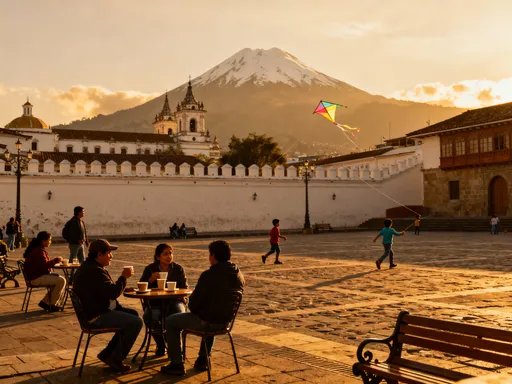
Beyond the famous plazas, Quito hides quieter squares that pulse with everyday life. Plazoleta Chillogallo, tucked in a residential neighborhood near El Ejido, is one such gem. Surrounded by pastel-colored homes and shaded by towering eucalyptus trees, it feels like a secret. Here, elderly men gather daily for chess matches, their moves deliberate and discussions animated. Children fly homemade kites on breezy afternoons, while vendors push carts selling atol de elote, a creamy, cinnamon-kissed corn drink served hot in paper cups. There are no tour groups, no souvenir stands—just the rhythm of neighborhood life.
Another overlooked spot is the eastern corner of Plaza de San Francisco, away from the main market. While the western side bustles with shoppers, this quieter zone offers benches under arches where locals read newspapers or sip coffee from thermoses. It’s a place of contemplation, where the weight of history—the 16th-century monastery, the centuries-old cobblestones—meets the lightness of daily ritual. Pigeons strut between benches, and the occasional street cat naps in sunlit patches. These micro-plazas reveal a side of Quito that postcards often miss: a city that cherishes stillness as much as celebration.
Visiting these spaces requires no itinerary—just curiosity and respect. Sitting quietly, observing without intrusion, allows travelers to absorb the authenticity. These plazas aren’t attractions to conquer; they’re invitations to pause. They remind us that leisure isn’t always about doing something—it’s often about being somewhere, fully and quietly. In a world that glorifies busyness, Quito’s hidden squares offer a gentle rebellion: a return to simplicity, to human scale, to the poetry of ordinary moments.
Day Trips for Leisure: Escaping to Mindo and Pululahua
For those seeking to expand their experience beyond city limits, two nearby destinations offer transformative escapes: Mindo and Pululahua. Each provides a distinct form of relaxation, rooted in nature and local culture. Mindo, a cloud forest town about two hours northwest of Quito, is a sanctuary of biodiversity. Lush greenery drapes the hills, orchids bloom in hidden clearings, and the air hums with the calls of hummingbirds and toucans. Visitors walk along suspended bridges through the canopy, sip fresh cacao at chocolate workshops, or soak in natural hot springs after a day of birdwatching. The pace here is meditative, encouraging mindfulness and connection with the natural world.
Pululahua, just 17 miles north of Quito, offers a rarer geological wonder—the only inhabited volcanic caldera in the world. The crater spans over six miles and contains fertile farmland where families grow potatoes, corn, and dairy. Hiking trails circle the rim, offering panoramic views into the misty bowl below. On clear mornings, the fog lifts to reveal a surreal landscape—green fields ringed by steep volcanic walls, with condors circling overhead. Local guides, often from farming families, share stories of life within the crater, blending science with tradition. These day trips are not about adrenaline or luxury—they’re about grounding, about stepping into landscapes that remind us of nature’s scale and resilience.
Transportation to both destinations is accessible by public bus or guided tour, making them feasible for independent travelers. Most visitors spend a full day, returning to Quito in the evening with renewed energy. What makes these excursions special is their restorative quality. They aren’t just add-ons to a city itinerary; they’re essential complements. After days of navigating urban streets, the quiet of Mindo’s forest or the vastness of Pululahua’s crater offers emotional reset. They embody a deeper form of leisure—one that heals, inspires, and reconnects.
Quito’s true leisure lies not in ticking off attractions but in lingering where life unfolds naturally. By embracing local rhythms and hidden corners, travelers gain a deeper, more human connection to this Andean capital—transforming a simple visit into a soulful journey. Whether sipping coffee in Bellavista, watching sunset from a rooftop, or wandering a quiet plaza where children fly kites, the city reveals itself slowly, generously. It doesn’t dazzle with spectacle but enchants with presence. For those willing to slow down, listen, and stay awhile, Quito offers not just sights, but sanctuary. It reminds us that the best travel experiences aren’t found in guidebooks—they’re felt in the quiet moments between destinations, in the shared smiles of strangers, in the peace of simply being where you are. This is not just a city to visit. It’s a place to remember how to live.