You Won’t Believe What I Found Shopping in Gwangju
Shopping in Gwangju isn’t just about buying things—it’s a cultural adventure. I went expecting markets and malls, but found something deeper: tradition woven into every street stall, handmade crafts telling stories, and locals eager to share their heritage. From vibrant textiles to pottery steeped in history, every item feels alive with meaning. This is retail with soul. If you think shopping can’t be meaningful, Gwangju will change your mind.
Why Gwangju? The Soul Behind the City
Gwangju, often celebrated as South Korea’s cultural heartbeat, offers a shopping experience unlike any other major city in the country. While Seoul dazzles with its high-end boutiques and neon-lit districts, Gwangju speaks in quieter, more intentional tones—where art, history, and daily life intertwine. Known for its deep-rooted commitment to democracy, creativity, and community, the city has long nurtured artists, poets, and craftspeople who view their work not just as livelihood, but as legacy. This artistic spirit doesn’t reside solely in galleries or museums; it flows into the streets, markets, and small studios where shopping becomes an act of cultural participation.
The city’s identity as a hub of Korean craftsmanship is no accident. Gwangju has historically supported local artisans through municipal programs, cultural festivals, and public art initiatives that elevate traditional techniques. Whether it’s the intricate patterns of handwoven textiles or the delicate brushwork on ceramic pieces, these creations reflect centuries of refinement passed down through generations. What makes shopping here different is the absence of mass production. Instead, visitors encounter items made with purpose—each with a story, a maker, and a connection to regional history. It’s this authenticity that transforms a simple purchase into a meaningful exchange.
Moreover, Gwangju balances preservation with innovation. Young designers reinterpret traditional motifs in modern fashion, while eco-conscious collectives revive natural dyeing methods using locally foraged plants. The city doesn’t treat tradition as something frozen in time, but as a living, evolving language. As a result, shopping here isn’t nostalgic—it’s forward-looking, rooted in respect but unafraid of change. For travelers seeking depth over dazzle, Gwangju offers a rare opportunity: to support sustainable craftsmanship while gaining insight into Korean values of harmony, resilience, and beauty in simplicity.
Downtown Gems: Chonnam National University Street & Nearby Markets
One of the most vibrant shopping zones in Gwangju unfolds around Chonnam National University, where youthful energy meets creative enterprise. The area, affectionately known to locals as “Chonnam-ro,” pulses with indie boutiques, handmade accessory stalls, and cozy cafés that double as mini-galleries. Unlike commercial shopping districts dominated by global brands, this neighborhood thrives on originality. Here, recent graduates and student designers sell hand-printed tote bags, upcycled jewelry, and clothing featuring traditional patterns reimagined with contemporary flair.
What sets this area apart is its emphasis on personal connection. Shop owners often stand behind the counter, ready to explain the inspiration behind a scarf’s embroidery or the source of dyes used in a linen blouse. Many items incorporate symbols from Korean folklore—cranes for longevity, peonies for prosperity—subtly woven into modern designs. These aren’t mere decorations; they’re quiet acts of cultural continuity, made accessible to a new generation. Even the café menus reflect this blend, offering bingsu with yuzu or mugwort flavors alongside hand-painted ceramic cups made by local potters.
On weekends, the energy intensifies with pop-up markets that transform side streets into open-air creative fairs. Artists display paintings, woodcrafts, and handmade soaps, while musicians perform in small plazas. These markets are not tourist traps—they’re community events where locals browse, chat, and support emerging talent. Visitors are welcomed not as consumers, but as participants. You might find yourself sipping barley tea from a paper cup while watching a live demonstration of *hangeul* calligraphy, or trading stories with a vendor who hand-stitched each button on a denim jacket. It’s this atmosphere of warmth and authenticity that makes shopping here feel less like a transaction and more like an invitation to belong.
Gwangju Folk Museum Market: Where Heritage Meets Handmade
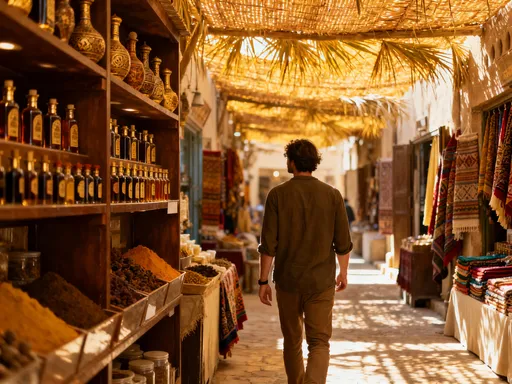
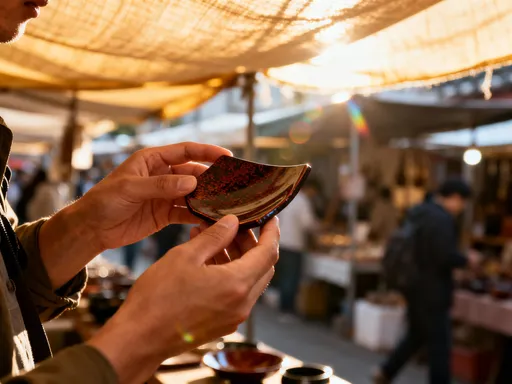
Nestled near the serene grounds of the Gwangju National Museum, the outdoor craft market offers a direct link to Korea’s artisanal past. This is not a souvenir shop filled with mass-produced trinkets, but a gathering of master craftspeople who practice techniques preserved for hundreds of years. As you walk among the wooden stalls shaded by traditional awnings, the air carries the faint scent of ink, lacquer, and mulberry paper. Each vendor represents a living tradition, offering goods that are both functional and deeply symbolic.
Among the most treasured items are those made from *hanji*, Korea’s traditional handmade paper. Known for its strength and beauty, hanji is used to create lanterns, notebooks, and even delicate jewelry boxes. Vendors often demonstrate the labor-intensive process—layering mulberry fibers by hand, pressing them, and drying them under the sun. Watching this unfold, one begins to understand why hanji was once used to line doors and windows in traditional homes: it breathes, insulates, and lasts for generations. Purchasing a hanji product here is not just acquiring an object; it’s honoring a craft that once sustained entire villages.
Equally captivating is the display of *najeonchilgi*, the exquisite art of inlaying mother-of-pearl into lacquered surfaces. Artisans carefully cut tiny fragments of abalone shell, arranging them into floral or animal motifs on boxes, combs, and writing trays. The process can take weeks or even months, with each piece reflecting the maker’s patience and vision. Nearby, another stall showcases *bojagi*—colorful wrapping cloths traditionally used to bundle gifts or food. Once considered everyday items, they are now appreciated as textile art, with some featuring bold geometric patterns inspired by Gwangju’s modern art scene.
What makes this market extraordinary is the willingness of artisans to share their knowledge. Many offer short demonstrations or allow visitors to try simple steps, like pressing hanji or arranging shell fragments. Children and adults alike lean in with curiosity, asking questions about tools, materials, and meanings. For families traveling together, this becomes an educational moment—a way to pass on appreciation for handmade beauty in an age of instant gratification. The items sold here may carry higher price tags than factory-made alternatives, but their value lies in what they represent: time, care, and cultural pride.
5.18 Memorial Park Area: Thoughtful Shopping with Meaning
The 5.18 Democratic Uprising Memorial Park stands as a solemn tribute to Gwangju’s courage and resilience. While the site itself is dedicated to remembrance, the surrounding neighborhood has evolved into a space of creative expression and ethical commerce. Here, shopping takes on a deeper significance—not as indulgence, but as solidarity. Small bookshops, art studios, and community cooperatives line the streets, offering items that reflect the city’s spirit of justice, peace, and artistic freedom.
Visitors will find locally published books detailing Gwangju’s history, illustrated poetry collections, and prints by artists who use their work to explore themes of memory and hope. Some shops sell handcrafted bookmarks made from recycled paper, each stamped with a quote from a democratic leader or a line of Korean poetry. Others offer ceramic pins shaped like doves or sunflowers—symbols of peace and renewal—crafted by survivors’ families or supported by cultural foundations. These are not generic souvenirs; they are quiet acts of commemoration, designed to keep stories alive.
Purchasing here supports more than small businesses—it sustains community-led efforts to preserve truth and promote healing. Proceeds often fund educational programs, oral history projects, or youth art initiatives. Even the cafes in the area participate, serving organic teas and baked goods while displaying rotating exhibitions of local artwork. The atmosphere is contemplative, yet welcoming. Travelers are encouraged to pause, reflect, and engage. A simple purchase—like a handmade notebook or a postcard featuring a child’s drawing of peace—becomes a gesture of respect and connection.
For many visitors, this part of Gwangju offers a rare opportunity: to shop with intention. In a world where consumerism often feels disconnected from consequence, this district reminds us that every choice carries weight. Buying a book about civic courage or a hand-painted tile from a survivor’s cooperative is not just about owning something beautiful—it’s about aligning with values. It’s a way to say, “I see your history. I honor your strength.” And in doing so, travelers leave not only with mementos, but with a deeper understanding of what it means to be human.
Traditional Markets: Gwangju’s Food Markets & Local Stalls
No exploration of Gwangju’s shopping culture would be complete without visiting its traditional food markets—lively, aromatic spaces where commerce and cuisine converge. While Gwangjang Market in Seoul may be more famous, Gwangju’s own network of local markets offers a more intimate, community-centered experience. These are not polished food halls, but bustling hubs where farmers, fishmongers, and home cooks gather daily to sell fresh, seasonal, and regionally significant ingredients.
At markets like Dongmyeong Traditional Market or Seoseok-dong Farmers’ Market, visitors encounter a sensory feast. Stalls overflow with bright red gochujang, jars of fermented soybean paste, and baskets of wild greens harvested from nearby hills. Regional specialties such as *bossam kimchi*—a whole cabbage kimchi often reserved for celebrations—are displayed with pride. Vendors proudly explain how their families have prepared these foods for generations, using recipes passed down orally. Some offer samples on toothpicks, inviting passersby to taste the balance of spice, sweetness, and umami that defines Gwangju’s culinary identity.
Equally beloved are the fresh rice cakes, or *tteok*, especially *songpyeon*—half-moon shaped treats traditionally made during harvest festivals. In Gwangju, these are often filled with sesame, red bean, or even chestnut, and steamed over pine needles to infuse a subtle, woodsy aroma. Watching a vendor press the dough into wooden molds carved with floral patterns is like witnessing edible art. Many visitors buy these not just to eat, but to take home as cultural keepsakes—symbols of seasonal rhythm and family togetherness.
What makes these markets special is the generosity of the people. A vendor might offer serving suggestions, like pairing a certain kimchi with grilled mackerel, or explain how to store fermented sauces properly. Others hand out small recipe cards printed on recycled paper. For families, these interactions become treasured memories—children learning the names of ingredients, parents discovering new ways to cook. And because many items are sold in reusable cloth wraps or paper bundles, the experience also models sustainable living. Shopping here isn’t just about filling a basket; it’s about nourishing connection—to food, to place, and to people.
Craft Workshops: Buy, Make, and Remember
In Gwangju, the line between shopping and creating often blurs—and that’s by design. The city offers numerous hands-on craft workshops that allow visitors to not only purchase handmade goods, but to make them. These experiences, hosted in cultural centers, artisan villages, and museum annexes, provide a deeper understanding of Korean craftsmanship while yielding personalized souvenirs that carry personal meaning.
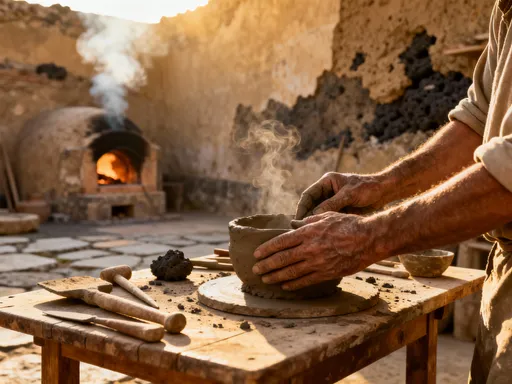
One of the most popular activities is pottery painting at Gwangju’s ceramic studios. Participants choose a pre-fired piece—often a cup, bowl, or plate—and use traditional brushes and mineral-based paints to decorate it with motifs like clouds, waves, or cherry blossoms. Afterward, the piece is glazed and fired, then shipped to the visitor’s home. The process is meditative, requiring focus and care, and the final product becomes a lasting reminder of time spent in creative presence. For families, it’s a shared project that fosters patience and pride.
Another sought-after workshop is natural dyeing, where guests learn to extract colors from plants like mugwort, persimmon, and gardenia. Under the guidance of a master dyer, they soak silk or cotton fabric in vats of simmering plant material, watching as shades of gold, green, or rust emerge. The results are unpredictable, making each piece unique. Participants often leave with a scarf or handkerchief they dyed themselves—soft, earth-toned, and imbued with the scent of the workshop. These items aren’t just beautiful; they represent a sustainable alternative to synthetic dyes, aligning with Gwangju’s eco-conscious values.
For those drawn to paper arts, hanji crafting workshops offer the chance to make everything from greeting cards to lanterns. Under gentle instruction, visitors layer mulberry pulp, press out water, and dry their sheets in the sun. Some add flower petals or herbs for texture, creating stationery that feels alive. These workshops are especially meaningful for older travelers or those seeking quiet reflection. The rhythmic motions—pouring, pressing, drying—become a form of mindfulness. And when you hold the finished paper in your hands, you’re not just holding a product; you’re holding time, effort, and nature itself.
Practical Tips: How to Shop Like a Local
To truly appreciate Gwangju’s shopping culture, a few practical insights can make all the difference. First, timing matters. While shops in downtown areas are open daily, the most vibrant experiences happen on weekends. Pop-up markets, craft fairs, and cultural demonstrations are often scheduled for Saturdays and Sundays, drawing both locals and visitors. Arriving early—around 10 a.m.—ensures the best selection and avoids midday crowds.
Cash remains essential, especially at smaller stalls and traditional markets. While larger stores accept credit cards or mobile payments, many artisans and food vendors operate on a cash-only basis. Carrying small bills (1,000 to 5,000 won) makes transactions smoother and shows respect for local customs. It’s also wise to bring a reusable shopping bag. Plastic bags are increasingly discouraged, and many vendors appreciate when customers come prepared—especially when carrying delicate items like pottery or wrapped food.
Learning a few basic Korean phrases can enhance the experience significantly. Simple greetings like “Annyeonghaseyo” (Hello) and “Gamsahamnida” (Thank you) go a long way. Phrases like “Iggeosi eolmayeyo?” (How much is this?) or “Yeogi seuro jusipsio” (Please give me this) help bridge communication gaps and show effort. Many vendors respond warmly, often offering extra samples or sharing stories when they see a visitor trying to engage.
Transportation in Gwangju is convenient and well-organized. The Gwangju Metro connects key areas, including the Chonnam University station and the Cultural Center station near major shopping zones. Local buses also serve markets and cultural districts, with clear signage in English. Taxis are affordable for short trips, and ride-hailing apps are available. For those planning multiple visits, purchasing a transportation card—available at convenience stores—simplifies travel and offers small discounts on fares.
Finally, approach shopping in Gwangju with curiosity and respect. Observe before touching delicate items, ask permission before photographing artisans at work, and take time to listen. The most meaningful souvenirs aren’t always the most expensive—they’re the ones that carry a story, a connection, or a moment of shared humanity.
Shopping in Gwangju transcends consumerism. It becomes a bridge—to history, to artistry, to people. Every market visited, every craft made, every conversation shared adds a layer to the traveler’s understanding of this resilient, creative city. It reminds us that retail, at its best, is not about accumulation, but about connection. The best souvenirs aren’t merely bought; they’re felt. They linger in memory, not just in drawers. So when you visit Gwangju, come not only to shop, but to see, to learn, and to belong. Let the city’s quiet beauty and deep traditions guide your hands and heart. You may arrive looking for gifts, but you’ll leave with something far greater: a renewed sense of what it means to live with intention and soul.