You Won’t Believe What I Found Slowing Down in Dubai
Dubai isn’t just skyscrapers and shopping malls—it’s also quiet alleys, local markets, and handmade treasures most tourists miss. I spent two weeks there, not rushing from attraction to attraction, but savoring moments. Slow travel changed everything. I discovered specialty products you can’t find in souvenir shops: saffron blends, hand-stitched textiles, and sandalwood perfumes crafted by artisans who’ve kept traditions alive for decades. This is Dubai beyond the hype—authentic, personal, and deeply surprising.
Redefining Dubai: The Case for Slow Travel
For many travelers, Dubai appears as a city of speed—where the fastest elevators, tallest towers, and most luxurious cars define the experience. It’s easy to fall into the rhythm of checking off landmarks: the Burj Khalifa, Dubai Mall, Palm Jumeirah. But when travel becomes a checklist, something essential is lost: presence. The true depth of a place reveals itself not in snapshots, but in stillness. Slowing down in Dubai opens a different world—one of quiet courtyards, whispered stories, and traditions passed through generations.
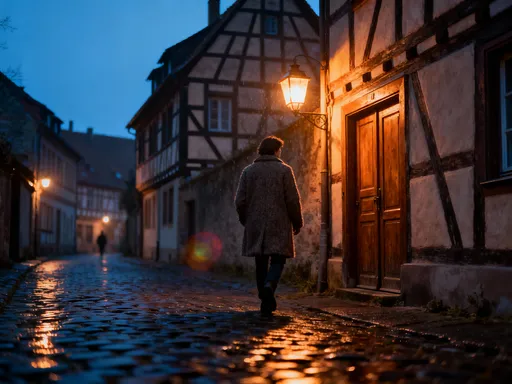
Slow travel is not about doing less; it’s about experiencing more. It means choosing to linger over cardamom-scented coffee at a family-run café instead of rushing to the next photo opportunity. It means walking without a map, allowing curiosity to guide you down alleyways lined with coral-stone buildings and wooden latticework. In Dubai, where modernity often overshadows heritage, this mindful approach becomes a form of discovery. Visitors who embrace a slower pace begin to notice details: the hand-carved door of a centuries-old merchant house, the rhythmic tapping of a weaver at work, the call to prayer echoing over a sleepy creek.
The benefits of this shift are both emotional and cultural. Travelers report feeling more connected—not just to the city, but to its people. Conversations happen more naturally when there’s time to sit, listen, and learn. A shopkeeper might share the history behind a spice blend. A boat builder could explain how his grandfather taught him to shape dhows from teak. These moments are not scheduled; they unfold organically when one is not in a hurry. Moreover, research in travel psychology suggests that immersive experiences lead to longer-lasting memories and greater personal satisfaction than rapid sightseeing tours.
Timing is crucial. Rather than packing every hour with activities, slow travelers allow space between experiences. A midday break in a shaded courtyard, a late afternoon stroll along Al Seef’s waterfront, or an unplanned stop at a local bakery can become the most memorable parts of a trip. Presence—being fully engaged in the moment—enhances appreciation. In Dubai, where sensory overload is common, slowing down is not a luxury; it’s a necessity for meaningful connection.
Beyond the Burj: Choosing Authentic Destinations Over Tourist Hubs
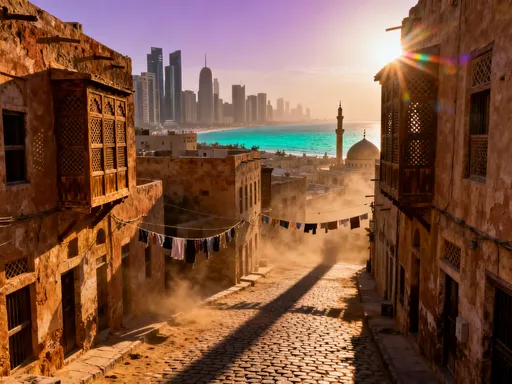
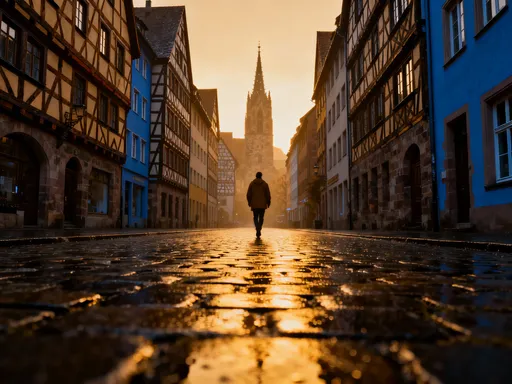
While the Burj Khalifa and Dubai Mall draw millions, the soul of Dubai lives in its older neighborhoods. Al Seef, Al Fahidi Historic District, and the traditional souks offer a glimpse into Emirati life before skyscrapers. These areas are not museum exhibits; they are living, breathing communities where history is not just preserved, but practiced. Walking through them feels like stepping into a different time—one where craftsmanship, trade, and community remain central.
Al Seef, built along the Dubai Creek, mimics the architecture of old Dubai with wind towers, narrow alleyways, and waterfront markets. Unlike the polished corridors of modern malls, this district embraces imperfection—the slight unevenness of stone paths, the faded paint on wooden shutters, the soft creak of dhows bobbing in the tide. It’s here that visitors encounter local vendors selling handmade baskets, ceramic pots, and woven palm fronds. The air carries the scent of grilled meat, frankincense, and sea salt—a far cry from the sterile perfumes of air-conditioned shopping centers.
Al Fahidi, once known as Al Bastakiya, is one of the oldest residential areas in Dubai. Its narrow lanes, designed to catch sea breezes, are lined with restored homes featuring barjeel (wind towers) that once cooled interiors naturally. Today, the district houses cultural centers, art galleries, and small cafés. A visit to the Sheikh Mohammed Centre for Cultural Understanding offers insight into Emirati customs, including traditional dress, food, and hospitality. Guests are invited to ask questions, fostering mutual understanding in a respectful setting.
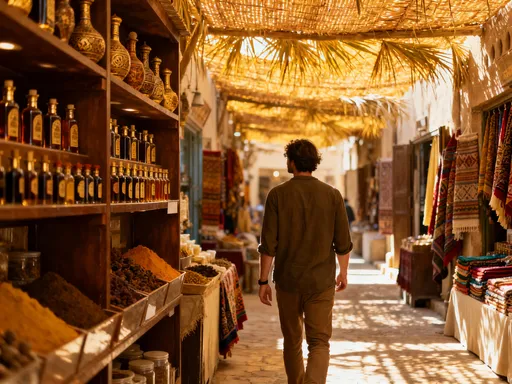
The souks—especially the Gold, Spice, and Textile markets—are not just shopping destinations; they are sensory journeys. The Spice Souk alone is a kaleidoscope of color and aroma: mounds of saffron, turmeric, and dried limes; vats of cardamom and cinnamon; bundles of dried herbs tied with twine. Vendors, many of whom have worked in the same stall for decades, are happy to explain the uses of each spice. Some blend custom mixes for visitors, creating personalized blends that capture the essence of the region. These interactions are not transactions—they are exchanges of knowledge and culture.
The Art of Finding Specialty Products: What to Look For
In a city known for luxury brands and mass-produced souvenirs, finding truly unique items requires intention. Specialty products in Dubai are defined by three qualities: they are locally sourced, handcrafted, and culturally significant. These are not trinkets made for tourists; they are expressions of heritage, made by people who take pride in their craft. Recognizing what makes an item special begins with understanding its origin and purpose.
One of the most prized specialty items is Oud-based perfume. Oud, or agarwood, is a dark, resinous wood formed in tropical trees after fungal infection. For centuries, it has been used in Middle Eastern perfumery for its rich, woody scent. Authentic Oud oil is distilled slowly over days, resulting in a concentrated fragrance that can last for hours. In Dubai, small perfumeries in the Deira and Bur Dubai districts still produce Oud blends using traditional methods. Each bottle carries the signature of its maker, often a family recipe passed down through generations.
Another unique product is camel milk chocolate. While chocolate is a global treat, camel milk adds a distinct creaminess and subtle sweetness. Produced by local dairies, this chocolate is often infused with regional flavors like dates, saffron, or cardamom. It’s not only delicious but also reflects Dubai’s agricultural roots—camels have long been vital to desert life, providing milk, transportation, and companionship. Buying camel milk chocolate supports local farmers and sustainable practices.
Date syrup, another specialty, is made from sun-dried dates pressed into a thick, dark liquid. It’s used in traditional Emirati desserts and as a natural sweetener. Unlike refined sugar, date syrup contains nutrients like potassium and fiber. Families in the Hatta and Al Ain regions still produce it using stone presses and open-air drying methods. A small bottle of this syrup is more than a condiment—it’s a taste of ancient desert cuisine.
Textiles, particularly sadou weaving, offer another window into Emirati culture. Sadou is a traditional form of palm-fiber weaving used to create baskets, mats, and decorative items. The patterns often carry symbolic meanings, such as protection or prosperity. Weavers, usually women, work on simple looms, their hands moving with practiced ease. These textiles are not mass-produced; each piece is unique, bearing the rhythm of its maker’s hands. Owning a sadou item means preserving a craft that might otherwise fade.
Where the Makers Are: Visiting Workshops and Local Markets
To truly appreciate specialty products, one must see them being made. In Dubai, several small workshops and markets offer this rare opportunity. These are not staged performances for tourists; they are real workplaces where artisans begin their day before sunrise. Visiting them requires respect, quiet observation, and a willingness to learn.
The Perfume Souk in Deira is home to dozens of small fragrance studios. Here, perfumers blend essential oils, resins, and floral extracts in glass vials, creating custom scents. Some use copper distillation pots heated over low flames, a method unchanged for centuries. Visitors can watch as a perfumer carefully measures drops of rose oil or grinds sandalwood into powder. Many offer demonstrations and allow guests to create their own blends. These experiences are intimate—often limited to a few people at a time—and deeply personal.
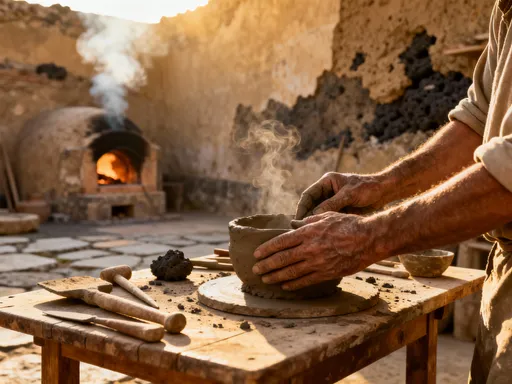
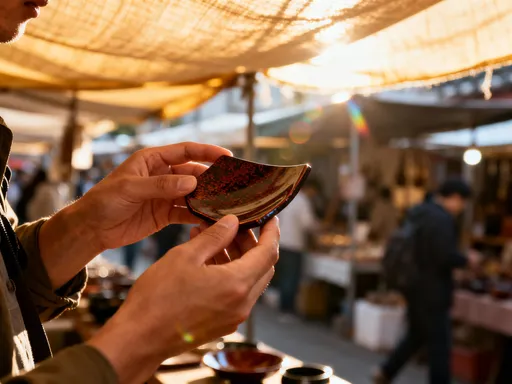
In Al Fahidi, a few potters still shape clay by hand, using foot-powered wheels and open kilns. Their wares include water jars, cooking pots, and decorative bowls. The process is slow and precise: kneading the clay, centering it on the wheel, shaping it with wet hands, then drying and firing it under the sun before final baking. These potters speak little English, but their gestures convey pride in their work. A simple nod or smile is often enough to begin a wordless conversation about craft and care.
The Spice Souk also houses blenders who mix custom spice combinations. Some specialize in hawaij, a Yemeni-inspired blend used in soups and stews; others create baharat, a warm mix of black pepper, cumin, and cloves. These vendors often let visitors smell each component before the final blend is sealed in a small pouch. The act of blending becomes a ritual—a fusion of science, memory, and intuition. Buying from these artisans means supporting livelihoods rooted in tradition, not tourism.
Outside the city center, a few desert farms near Al Ain and Hatta welcome visitors. These family-run operations grow dates, raise goats and camels, and produce honey from desert bees. Guests can tour the orchards, taste fresh milk, and learn about sustainable desert agriculture. Some offer workshops on making date syrup or camel milk soap. These visits are not commercialized; they are invitations into daily life. The hosts serve tea with dates and speak with quiet dignity about their land and legacy.
How to Shop Like a Local: Etiquette, Timing, and Fair Value
Shopping in Dubai’s traditional markets is not like visiting a supermarket. It’s a social exchange that follows unspoken rules. Understanding these customs ensures a respectful and rewarding experience. The first rule is patience. Bargaining is expected in souks, but it should be done politely, with a smile. Starting at half the asking price and negotiating upward is common, but aggressive haggling is frowned upon. A good vendor values long-term relationships over a single sale.
Timing matters. The best hours to visit markets are early morning or late afternoon, when the heat is less intense and vendors are more relaxed. Many artisans begin work at dawn, so a 7 or 8 a.m. visit offers the chance to see them in action. Midday is often slow, with shops closing for prayer and rest. Evening visits, especially on weekends, bring more foot traffic, but also more noise and crowds.
Asking questions is encouraged, but it should be done with humility. Instead of demanding discounts, try phrases like “Can you tell me more about this?” or “How is this made?” These open the door to conversation. Many artisans appreciate genuine interest more than quick sales. Complimenting craftsmanship—saying “This is beautiful work”—can lead to deeper interaction and even special offers.
Understanding value is key. A handwoven sadou basket may cost more than a machine-made version, but it represents hours of labor and cultural knowledge. Paying a fair price supports the maker and helps sustain the craft. Avoid treating these items as bargains; they are not commodities, but legacies. When in doubt, ask for the story behind the product. The answer often justifies the cost.
Respect extends to photography. Always ask permission before taking pictures of people or their workspaces. Some artisans welcome photos; others prefer privacy. A simple hand gesture—palm up, fingers together—means “Is it okay?” A nod or smile is consent. If refused, accept it gracefully. The goal is connection, not content for social media.
Slow Travel in Practice: A Sample 5-Day Itinerary
Planning a slow travel experience in Dubai requires intention. The following five-day itinerary balances exploration, learning, and reflection, focusing on immersion rather than speed. It is designed for travelers who want to connect deeply with the culture, meet local artisans, and return home with meaningful memories.
Day one begins in Al Fahidi Historic District. After settling into a heritage-style guesthouse, spend the morning walking the shaded lanes, visiting the Dubai Museum and small art galleries. Have lunch at a family-run café serving machboos (spiced rice with meat) and luqaimat (sweet dumplings). In the afternoon, attend a cultural talk at the Sheikh Mohammed Centre. End the day with a quiet walk along the creek, watching dhows unload cargo as the sun sets.
Day two is dedicated to Al Seef and the souks. Start early at the Perfume Souk, where a guided blending session introduces the art of fragrance. Move to the Spice Souk for a tasting and blending workshop. Lunch at a traditional restaurant offers a chance to try regional dishes like harees (wheat and meat porridge). The afternoon is free for wandering—perhaps visiting a small textile stall or sitting with a vendor over tea. Evening brings a waterfront dinner with views of illuminated dhows.
Day three takes travelers outside the city to a desert farm near Hatta. The drive itself is scenic, passing through mountain roads and wadis. At the farm, guests tour date palms, meet camels, and learn about desert beekeeping. A hands-on session teaches how to press date syrup or make camel milk soap. Lunch is a farm-to-table meal under a shaded pergola. The return journey offers time for reflection, perhaps with a journal or quiet conversation.
Day four focuses on culinary tradition. Attend a morning cooking class in a local home or cultural center. Learn to prepare dishes like balaleet (sweet vermicelli with eggs) and saloona (vegetable stew). Visit a nearby market to select ingredients, guided by the host. After cooking together, share the meal with the family. The afternoon is reserved for rest or revisiting a favorite spot. Evening could include a quiet dinner at a neighborhood eatery.
Day five is for integration. Return to a beloved place—a workshop, café, or market stall—to say goodbye and perhaps make a final purchase. Spend time writing postcards or organizing photos. In the afternoon, visit a park or beach to reflect on the journey. The evening concludes with a simple meal and gratitude—acknowledging the people, places, and moments that made the trip meaningful.
Bringing Dubai Home: Preserving Memories Through Meaningful Keepsakes
When travel ends, souvenirs become vessels of memory. But not all keepsakes are equal. A mass-produced keychain fades into clutter. A hand-blended Oud perfume, however, carries scent, story, and soul. Using these specialty items in daily life transforms them from objects into experiences. A dab of perfume becomes a moment of pause. A spoonful of date syrup evokes the warmth of a desert sunrise.
Displaying finds thoughtfully deepens their impact. A sadou-woven mat can be framed as art. A small clay pot from a local potter might hold pens or flowers on a desk. Camel milk chocolate, shared with friends, becomes a conversation starter about sustainable farming and cultural innovation. Gifting handmade soaps or spice blends spreads the spirit of Dubai to others.
These items do more than decorate a home—they anchor identity. They remind us that we are not just consumers, but participants in a global tapestry of craft and tradition. Each purchase made with care supports a family, preserves a skill, and honors a culture. In a world of fast fashion and disposable goods, choosing slow, meaningful souvenirs is an act of resistance—and reverence.
Slow travel in Dubai teaches a deeper truth: the most valuable things are not seen from a distance, but felt up close. They are not bought in haste, but chosen with intention. They do not sit on shelves, but live in daily use. When we slow down, we don’t just see Dubai differently—we see ourselves differently. We become more attentive, more grateful, more connected. And when we return home, we carry not just bags of souvenirs, but a renewed sense of wonder.
The city of Dubai, often associated with speed and spectacle, reveals its true magic when approached with patience. Its tallest building may reach the clouds, but its deepest treasures lie in the hands of its people. By slowing down, travelers move beyond the surface and touch the heart of a culture. They leave not with a checklist, but with a story. And that story—woven from saffron, sandalwood, and sunlight—becomes part of their own.