You Won’t Believe These Hidden Natural Gems in Ahmadi, Kuwait
When I told friends I was heading to Ahmadi for nature photography, most raised an eyebrow—Kuwait isn’t exactly known for lush landscapes. But what I discovered blew my expectations away. From sweeping desert dunes to quiet coastal stretches and surreal rock formations, Ahmadi offers raw, untouched beauty perfect for the lens. This is real, unfiltered nature—no crowds, no filters, just pure visual magic waiting to be captured. What many overlook as an industrial town is, in fact, a gateway to some of Kuwait’s most compelling natural scenery. For those willing to look beyond the surface, Ahmadi reveals a world of quiet dunes, ancient geology, and resilient desert life—all within reach of a patient photographer or a curious traveler.
Reimagining Ahmadi: Beyond the Oil Fields
Ahmadi has long been recognized as the heart of Kuwait’s oil industry, home to the headquarters of Kuwait Oil Company and a network of infrastructure that powers the nation’s economy. To many, the name evokes images of refineries, pipelines, and industrial zones—a place of function over beauty. Yet just beyond the paved roads and company compounds lies a different reality, one shaped by time, wind, and the slow hand of nature. The outskirts of Ahmadi, where the desert meets the coastal plain, harbor landscapes that remain largely unseen by tourists and underappreciated by locals. These are not manicured parks or tourist attractions, but wild, unspoiled spaces where the natural world continues to unfold on its own terms.
This contrast between industry and wilderness is not a contradiction but a coexistence. While the oil fields define Ahmadi’s economic identity, the surrounding environment tells a deeper story—one of geological transformation and ecological adaptation. The desert here is not barren; it pulses with subtle life and form. The coastline, though remote, carries the rhythm of tides and the quiet drama of light shifting across water and sand. These natural spaces are not preserved behind fences or signage, but exist in their raw state, accessible to those who know where to look and how to move with respect.
For the nature photographer or the quiet explorer, Ahmadi offers a rare opportunity: to witness landscapes that have not been shaped by mass tourism. There are no souvenir stalls, no guided tours, and no marked trails. Instead, there is solitude, silence, and the chance to experience nature as it truly is—unscripted and unfiltered. This is not about escaping civilization entirely, but about finding balance: a place where human enterprise and natural beauty exist in proximity, each reminding us of the other’s presence.
The Desert’s Silent Drama: Shooting the Kuwaiti Dunes
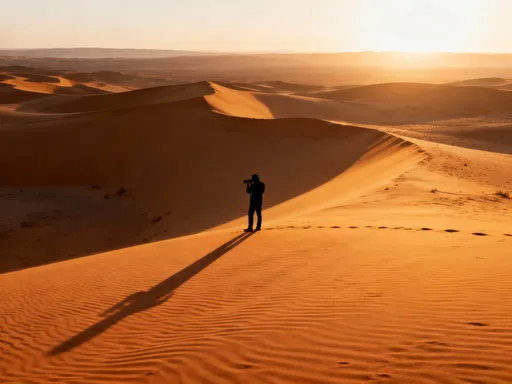
Just a short drive south of Ahmadi’s residential zones, the flat terrain gives way to undulating dunes that stretch across the horizon like waves frozen in time. These desert expanses, part of Kuwait’s larger northern desert region, offer some of the most visually striking backdrops for photography. The sand here is fine and golden, sculpted daily by the wind into ever-changing patterns. At sunrise and sunset, the dunes come alive with color—shifting from soft peach to deep amber, then into rich burgundy as the sun dips below the horizon. This is the golden hour in its purest form, a fleeting window when light wraps the landscape in warmth and depth.
Capturing the essence of these dunes requires more than just a good camera; it demands timing, patience, and an understanding of light. The best images are often taken within the first 20 minutes after sunrise or before sunset, when shadows are long and textures are accentuated. Footprints, tire tracks, or the delicate ripples left by wind can serve as leading lines, drawing the viewer’s eye into the frame. A wide-angle lens is ideal for capturing the vastness of the scene, while a telephoto can isolate patterns in the sand, turning abstract textures into compelling compositions.
Photographers should also consider the direction of the light. Side lighting, when the sun skims the dunes at a low angle, enhances the three-dimensional quality of the terrain, revealing every ridge and hollow. Backlighting, though less common, can create dramatic silhouettes—perhaps of a lone shrub or a distant vehicle on the horizon. Tripods are highly recommended for stability, especially when using slower shutter speeds to capture subtle gradients in the sky. And because sand can easily damage equipment, it’s wise to use protective filters on lenses and to keep camera bags sealed when not in use.
One of the most rewarding aspects of desert photography is the sense of solitude it offers. There are no crowds to disrupt the shot, no noise to break the stillness. This quiet allows for a deeper connection with the environment—one that often translates into more thoughtful, intentional images. The desert does not perform; it simply exists. And in that stillness, there is a kind of dignity that resonates through every photograph taken with care.
Coastal Contrasts: Ahmadi’s Quiet Seashores
While Kuwait’s northern coast near Kuwait City draws more attention, the southern coastal areas near Ahmadi remain refreshingly untouched. Here, the Arabian Gulf meets the arid land with a quiet grace, offering long stretches of undisturbed shoreline perfect for contemplative walks and reflective photography. Unlike the developed beaches of the capital, these shores are free of concrete, umbrellas, and loud music. Instead, they are marked by gentle tides, smooth sand, and the occasional trail of bird tracks leading into the water. It is a place where the rhythm of nature still governs the day.
One of the most striking features of Ahmadi’s coastline is the clarity of light, especially in the early morning or late afternoon. The flat expanse of sand reflects the sky, creating a natural mirror that doubles the visual impact of clouds, colors, and silhouettes. This makes it an ideal location for long-exposure photography, where a slow shutter speed can blur the movement of waves into soft, ethereal ribbons. Using a neutral density (ND) filter allows for longer exposures even in daylight, turning restless water into a smooth, glass-like surface.
Tidal patterns play a crucial role in shaping the photographic opportunities here. Low tide exposes wide mudflats and shallow pools, perfect for capturing reflections or the delicate footprints of crabs and shorebirds. High tide, on the other hand, brings the water closer to the dunes, creating dynamic interactions between sea and sand. Photographers should consult local tide charts to plan their visits accordingly. Wind conditions also matter; calm days produce the best reflections, while breezy afternoons may disrupt the surface but offer interesting wave textures.
Finding these quiet spots requires a bit of local knowledge. Some of the most photogenic stretches lie just west of the coastal road, accessible via unmarked dirt tracks. It’s important to approach these areas with care, avoiding any protected zones or environmentally sensitive habitats. The goal is not to leave a mark, but to capture a moment—one that honors the tranquility of the place. For the viewer, these images can evoke a sense of peace; for the photographer, they become a record of stillness in a world that rarely slows down.
Rock Formations and Wadis: Nature’s Sculptures
On the southern fringes of Ahmadi, where the desert begins to merge with more rugged terrain, lie some of Kuwait’s most fascinating geological features. Weathered limestone outcrops rise from the sand like ancient sentinels, their surfaces carved by centuries of wind and occasional rain. These formations, part of the larger Al-Zor escarpment system, are remnants of a time when this region was shaped by tectonic forces and shallow seas. Today, they stand as silent witnesses to the slow, persistent work of erosion—a natural gallery of shapes, layers, and textures waiting to be explored.
For photographers, these rock formations offer endless creative possibilities. Wide-angle shots can capture the dramatic scale of the cliffs against the open sky, while macro photography reveals the intricate details of mineral veins, fossil traces, and wind-polished surfaces. The interplay of light and shadow is especially powerful here. During the golden hour, the low sun casts long shadows across the rock faces, emphasizing depth and contour. In the midday sun, the pale limestone glows with a bright, almost surreal intensity, creating high-contrast images that pop with clarity.
Some of these areas include dry riverbeds, or wadis, that occasionally carry water after rare rainfalls. Though they may appear barren most of the year, they are vital corridors for wildlife and signs of seasonal change. Exploring these zones requires caution—loose rocks, uneven ground, and extreme heat make proper footwear and hydration essential. It’s also wise to visit with a companion and to inform someone of your plans, especially when venturing into remote areas. Drones, if permitted, can provide stunning aerial perspectives, revealing patterns invisible from ground level.
These landscapes are not just visually compelling; they are educational. They tell a story of time, climate, and change—of a desert that is not static, but constantly evolving. Photographing them is not merely about composition, but about bearing witness. Each frame becomes a document of endurance, a reminder that even in the harshest conditions, the earth continues to shape itself in quiet, powerful ways.
Flora and Fauna in the Arid Zone: Life Against the Odds
At first glance, the desert around Ahmadi may seem devoid of life. But a closer look reveals a surprising array of plants and animals that have adapted to survive in one of the world’s most challenging environments. Hardy shrubs like *Arfaj* (Rhanterium epapposum), Kuwait’s national flower, dot the landscape, blooming briefly after winter rains. Their small yellow flowers are a fleeting but vital sign of resilience. Other desert plants, such as *Lycium shawii* and *Haloxylon salicornicum*, have developed deep root systems and water-storing tissues to endure long periods without rain.
Wildlife, too, thrives in this arid zone, though it is often elusive. The pale desert fox, with its large ears and cautious movements, is occasionally spotted at dawn or dusk, foraging near the edges of the dunes. Lizards, including the agile spiny-tailed lizard (*Uromastyx*), bask on warm rocks, their scales reflecting the sunlight like polished stone. Birdwatchers may catch sight of larks, wheatears, or even the occasional Houbara bustard during migration seasons. These creatures do not perform for cameras; they go about their lives with quiet determination.
Photographing this wildlife requires patience, silence, and a respectful distance. Sudden movements or loud noises can scare animals away, so it’s best to move slowly and use natural cover when possible. Early mornings are ideal, when temperatures are cooler and animals are most active. A telephoto lens allows for close-up shots without intrusion, preserving both the integrity of the moment and the safety of the subject. Camouflage clothing and a low profile can make a significant difference in how close one can get.
It’s also important to remember that these species are protected under Kuwaiti environmental regulations. Feeding, chasing, or disturbing wildlife is not only unethical but illegal. The goal of nature photography should be observation, not interference. When done responsibly, these images can raise awareness about the fragility and beauty of desert ecosystems, encouraging others to appreciate and protect them.
Chasing Light: Best Times and Conditions for Photography
In Ahmadi’s natural landscapes, light is not just a tool—it’s the central character. The quality of light changes dramatically throughout the day, transforming the same scene into entirely different compositions. The golden hour, occurring just after sunrise and before sunset, is universally prized for its soft, warm glow that enhances textures and minimizes harsh shadows. During this time, the desert dunes, coastal sands, and rock formations all take on a richer, more dimensional appearance.
Equally compelling is the blue hour—the period just before sunrise and after sunset—when the sky shifts into cool tones of indigo and violet. This light is ideal for creating moody, atmospheric images, especially along the coast, where the darkening sea blends seamlessly with the horizon. With the right exposure, stars may even begin to appear, offering opportunities for night photography in areas with minimal light pollution.
Seasonal variations also play a key role. Winter months, from November to February, offer the most favorable conditions: cooler temperatures, clearer skies, and the possibility of wildflower blooms after rainfall. Spring can be windy, increasing the chance of dust storms, but the air often clears dramatically afterward, resulting in exceptionally sharp visibility and vivid sunsets. Summer, while extremely hot, can produce dramatic cloud formations and intense light contrasts, though midday shooting is best avoided due to heat and glare.
Weather conditions, often seen as obstacles, can actually enhance creativity. Overcast skies diffuse light evenly, reducing contrast and making them ideal for photographing delicate subjects like flowers or rock textures. A light dust storm can add a sense of mystery, softening distant forms and creating a dreamlike haze. The key is adaptability—coming prepared with lens cloths, protective gear, and an open mind. With the right approach, even challenging conditions can yield unforgettable images.
Photography Etiquette and Sustainability in Natural Zones
As more people discover the natural beauty of Ahmadi’s surroundings, the importance of responsible exploration grows. These landscapes are not theme parks or studio sets—they are fragile ecosystems that depend on minimal human impact. The principle of “leave no trace” should guide every visit: pack out all trash, avoid driving off-road, and never remove natural materials like rocks or plants. Even seemingly small actions, like leaving tire tracks in a pristine dune or stepping on a patch of lichen, can have lasting effects.
Photographers should also respect local regulations and cultural norms. Some areas may be restricted due to environmental protection efforts or proximity to industrial sites. It’s essential to obtain any necessary permissions and to avoid trespassing on private or protected land. Drones, while useful for aerial shots, are subject to Kuwait’s civil aviation rules and should only be flown in permitted zones and at safe altitudes.
Equally important is the ethical treatment of wildlife. Getting the perfect shot should never come at the expense of an animal’s well-being. Using zoom lenses, maintaining distance, and avoiding baiting are all part of ethical wildlife photography. Sharing images on social media can inspire others, but it’s wise to avoid geotagging sensitive locations that could lead to overcrowding or damage.
Beyond technique and equipment, photography in places like Ahmadi is ultimately about connection. It’s about slowing down, observing deeply, and recognizing the quiet dignity of a landscape that asks for nothing but respect. These moments of stillness—watching a fox disappear over a dune, listening to the wind over limestone, or waiting for the perfect light—are as valuable as any image captured. They remind us that beauty exists not just in the frame, but in the experience itself.
Ahmadi’s natural areas remind us that beauty often hides where we least expect it. With a camera in hand and curiosity in heart, even the most overlooked landscapes can become extraordinary. These untouched scenes aren’t just photo opportunities—they’re invitations to slow down, observe, and appreciate the quiet power of nature in Kuwait’s desert heart. In a world that moves quickly, places like these offer something rare: stillness, simplicity, and the chance to see the world anew. For the patient traveler, the reward is not just a collection of images, but a deeper understanding of resilience, balance, and the enduring beauty of the natural world.