You Won’t Believe These Bled Viewpoints—Pure Magic at Every Turn
If you’ve ever dreamed of a place where lakes sparkle like glass and mountains cradle fairy-tale castles, Bled, Slovenia is it. I’ve traveled across Europe, but nothing prepared me for the sheer beauty of this alpine gem. Every corner offers a postcard-worthy shot—whether it’s the iconic church on the island, misty mornings over the lake, or panoramic hilltop views. This isn’t just sightseeing; it’s soul-filling photography gold. Let me show you where to stand, when to shoot, and why Bled’s viewpoints are absolutely unmatched.
The Heart of Bled: Lake & Island Church Perspectives
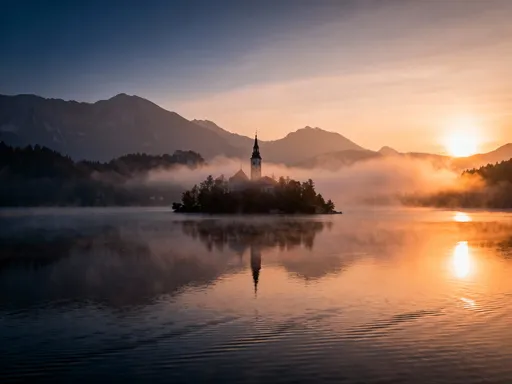
The most iconic image of Bled begins at the lakeshore directly opposite Bled Island. From this vantage point, the slender steeple of the Church of the Assumption rises like a needle from the center of the emerald-green isle, framed perfectly by the still waters of Lake Bled and the jagged peaks of the Julian Alps in the distance. Swans glide silently across the surface, their reflections rippling with each movement, while the early morning mist curls upward like smoke before vanishing into the alpine sky. This is where the magic begins—where postcards come to life and cameras click without pause.
What makes this viewpoint truly extraordinary is the way light transforms the scene throughout the day. In the golden hour just after sunrise, the lake glows with a warm, amber hue, and the island appears to float in liquid gold. The same is true during sunset, though the crowd is often thicker, drawn by the promise of dramatic shadows and rich color contrasts. Midday light can be harsh, washing out details and reducing reflections, so photographers are advised to plan visits for the softer hours of dawn or dusk. Calm weather is essential for capturing mirror-like water, and the best chance for stillness comes on windless mornings, typically between May and September.
To avoid the crowds, arrive before 7 a.m. during peak season or consider walking a few meters along the promenade to either side of the main viewing platform. Slight shifts in perspective can eliminate tourists from your frame and offer a more intimate composition. Use a polarizing filter to cut glare and enhance the deep blues and greens of the water and foliage. A tripod is recommended for long exposures that smooth ripples into glassy stillness. For those seeking a human element, capture locals rowing traditional pletna boats across the lake—these wooden vessels add timeless charm and scale to your images.
Castle High Above: Bled Castle’s Overlook
Rising 130 meters above Lake Bled on a steep cliff, Bled Castle offers one of the most commanding views in the region. From its stone terrace, visitors are treated to a sweeping panorama that encompasses the entire lake, the island, the surrounding forests, and the snow-capped Alps beyond. This is not just a viewpoint—it’s a convergence of history and natural splendor. The castle, with origins dating back to the 11th century, stands as a testament to medieval resilience, while its elevated position makes it a prime location for capturing Bled in a single, breathtaking frame.
The castle’s wooden bridge and treetop walkway extend the photographic possibilities. The bridge, built into the cliffside, provides a dramatic foreground element when shooting toward the lake. Framing the island through its wooden railings creates depth and perspective, while the treetop walkway—a spiraling ramp that climbs above the forest canopy—offers a bird’s-eye view of the treetops and distant mountain ridges. From here, the landscape unfolds in layers: the deep green of the pines, the reflective blue of the lake, and the pale stone of the church steeple piercing the horizon.
Accessibility is excellent, with a paved path leading from the town center and an elevator option for those who prefer not to climb. Tickets can be purchased at the entrance, and while the castle houses a museum, wine cellar, and restaurant, the outdoor terraces are the main attraction for photographers. The ideal shooting angle combines the castle’s stone walls in the foreground with the full expanse of the lake behind. A wide-angle lens captures the scale, while a telephoto can isolate details like the bell tower or a lone boatman rowing toward the island.
Visit in the late afternoon to catch warm light spilling across the water while still having time to explore the castle grounds. Early morning visits are quieter and often shrouded in mist, adding a mystical quality to images. Because the castle faces west, sunset shots are particularly rewarding, with the sky ablaze in oranges and pinks, reflected in the lake below. Remember to respect signage and barriers—this is a historic site, and preservation is key to maintaining its beauty for future generations.
Ojstrica: The Must-Visit Summit for Sunrise
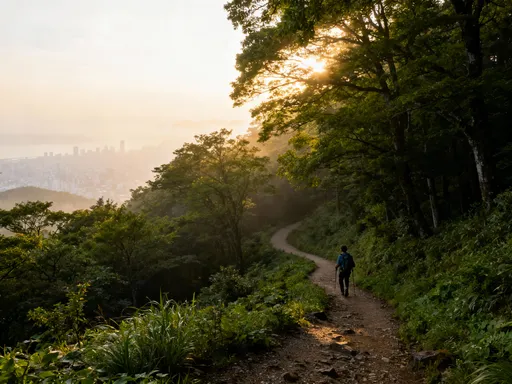
For many photographers, the pilgrimage to Bled is incomplete without a pre-dawn hike to Ojstrica. This small but mighty viewpoint, located just a short climb from the village of Bled, delivers one of the most complete compositions in the region: the island, the lake, the castle, and the Julian Alps all visible in a single, sweeping frame. The trail is approximately 1.5 kilometers long and gains about 120 meters in elevation—moderate in difficulty but steep in places, especially on loose gravel and tree roots. Despite the effort, the reward is unparalleled: a front-row seat to one of nature’s most radiant performances.
Arriving before sunrise is essential. The sky begins to lighten around 5:30 a.m. in summer, and by 6 a.m., the first golden rays kiss the mountain peaks, slowly descending to illuminate the lake. As the light spreads, the mist lifts from the water, revealing the island as if emerging from a dream. This is the moment when cameras click fastest, when long exposures capture the soft gradient of dawn, and when the entire scene seems suspended in time. The reflection of the church steeple in the still water doubles the beauty, creating symmetry that feels almost too perfect to be real.
Prepare for the hike with a headlamp, sturdy footwear, and layers—temperatures can be cool even in summer. Bring a tripod to stabilize your camera in low light, and consider a remote shutter release to avoid camera shake. The viewpoint itself is a small clearing with no guardrails, so exercise caution, especially in the dark. While the spot has gained popularity in recent years, arriving early ensures space and minimizes interference from other visitors. A wide-angle lens is ideal for capturing the full panorama, though a mid-range zoom allows for tighter compositions of the island or castle.
After the shoot, many hikers descend via a different path that loops through the forest, offering a peaceful return. Some choose to reward themselves with a coffee or pastry at a lakeside café, watching the town come to life. The experience at Ojstrica is more than photographic—it’s meditative, grounding, and deeply connecting. It reminds us that beauty often requires effort, and that the quiet moments before the world wakes are among the most precious.
Mala Osojnica: The Hidden Gem with Unfiltered Beauty
Just a short distance from Ojstrica lies Mala Osojnica, a lesser-known but equally stunning viewpoint that offers a more intimate encounter with Bled’s landscape. The trail begins in the village of Selo pri Bledu, a quiet residential area on the southern edge of the lake. From here, a well-marked path winds through a mixed forest of beech and fir, following a gentle ascent before opening abruptly to a breathtaking vista. Unlike Ojstrica, which draws crowds for its completeness, Mala Osojnica feels secluded, almost private—a secret shared among locals and seasoned travelers.
The view from Mala Osojnica frames the lake and island with a softer, more contemplative energy. The castle appears off to the side rather than centered, allowing the natural contours of the land to dominate the composition. In autumn, the surrounding trees blaze with red and gold, their colors mirrored in the water. In spring, wildflowers dot the meadows below, and the air carries the scent of damp earth and blooming linden. Because the viewpoint faces east, it is best visited in the morning, when the rising sun bathes the scene in gentle light and the lake remains calm.
The trail is approximately 2 kilometers round trip and suitable for most fitness levels. It is less trafficked than Ojstrica, making it ideal for those seeking solitude or a quieter photo session. There are no facilities at the viewpoint, so bring water and a light snack. A bench near the edge offers a place to rest and absorb the view. Photographers will appreciate the natural framing provided by tree branches and rocky outcrops, which add depth and texture to images. A polarizing filter enhances the contrast between sky and water, while a neutral density filter allows for longer exposures that smooth ripples into glass.
Consider combining the hike with a stop at a family-run café in Selo pri Bledu. These small establishments often serve homemade jams, herbal teas, and traditional pastries like potica, a rolled nut cake. The warmth of local hospitality complements the natural beauty, creating a fuller, more rounded experience. Mala Osojnica may not be as famous as other spots, but its quiet charm and unspoiled perspective make it a favorite among those who value authenticity over popularity.
Vintgar Gorge: A Different Kind of View
While most of Bled’s viewpoints emphasize stillness and grandeur, Vintgar Gorge offers a dynamic contrast—movement, sound, and texture in constant flow. Located about 4 kilometers from the lake, this natural wonder features a 1.6-kilometer wooden walkway that follows the Radovna River through a narrow canyon carved by water over millennia. The gorge is a study in motion: turquoise water rushes over smooth stone, cascades down small waterfalls, and swirls into deep pools, all surrounded by moss-covered walls and overhanging trees.
Photographing Vintgar Gorge requires a shift in approach. Instead of wide panoramas, focus on details—the way light filters through the canopy, the texture of wet rock, the blur of flowing water captured with slow shutter speeds. A tripod is essential for long exposures that turn rushing streams into silky ribbons. Use a neutral density filter to reduce light intake, allowing for slower shutter speeds even in daylight. A macro lens can reveal the intricate patterns of moss and lichen, while a wide-angle captures the full height of the gorge walls.
The best time to visit is early in the morning or late afternoon, when sunlight angles into the gorge, illuminating the water and creating reflections on the wet stone. Midday light can be flat and overly bright, reducing contrast. Summer brings the most visitors, so arriving before 9 a.m. ensures a more peaceful experience. Tickets are required and can be purchased at the entrance; the fee supports conservation efforts and maintenance of the walkway.
While the path is well-maintained, it includes steps, narrow sections, and occasional mist from waterfalls, so wear waterproof footwear and carry a protective cover for your camera. The return journey includes a short uphill section, but the beauty of the flowing water and the cool mountain air make it a refreshing hike. Vintgar Gorge reminds us that beauty is not only in stillness but also in motion—that the energy of nature, captured in a single frame, can be just as powerful as a mountain vista.
Boat Ride to the Island: A Photographer’s Moving Platform
One of the most unique ways to photograph Bled is from the water itself. A ride on a traditional pletna boat—a flat-bottomed wooden vessel rowed from the stern—transforms the photographer into a moving observer, gliding across the lake with the island growing larger with each stroke. These boats, used for centuries to transport pilgrims and visitors to the island, now serve as floating photo studios, offering low-angle perspectives of the castle, reflections on the water, and unobstructed views of the surrounding peaks.
From the water, the castle appears more imposing, its stone walls rising directly from the cliff. The reflection of the island in the still water doubles the image, creating symmetrical compositions that are difficult to achieve from shore. As the boat approaches the island, the sound of bells from the church grows louder, and the scent of pine and damp stone fills the air. Photographers can capture the moment of arrival—the wooden steps, the stone pathway, the carved door of the church—all framed by the shimmering lake.
Rides typically last 15 to 20 minutes and can be booked at the northern end of the lake. Prices are fixed and displayed publicly, with discounts for children and families. To avoid crowds, book a ride early in the morning or just before sunset. On busy days, multiple boats may be on the water, so timing your shots between departures ensures cleaner compositions. While on board, keep movements slow and steady to avoid rocking the boat, and use a lens with image stabilization to counteract minor motion.
For those who wish to step onto the island, a small fee is charged at the landing. The island itself offers intimate shots—the wishing bell, the staircase, the interior of the church—but photography inside the church is often restricted out of respect for worshippers. Even without entering, the exterior details—the stone carvings, the iron railings, the flower beds—are rich with photographic potential. A pletna ride is not just transportation; it is an essential part of the Bled experience, a slow, deliberate journey that allows beauty to unfold at its own pace.
Beyond the Obvious: Local Secrets & Seasonal Shifts
While the main viewpoints draw well-deserved attention, some of Bled’s most enchanting moments happen off the beaten path. The ruins of Weidenburg Castle, perched on a forested hill south of the lake, offer a quiet alternative with sweeping views and a sense of discovery. Though less maintained, the site provides a raw, unfiltered perspective—nature reclaiming stone, ivy climbing ancient walls, and the lake visible through gaps in the trees. Similarly, the edges of Triglav National Park, which begins just beyond Bled, offer trails that lead to alpine meadows, hidden streams, and panoramic ridges with fewer visitors and more solitude.
Seasonal changes profoundly affect the character of each viewpoint. In winter, Bled transforms into a snow-globe scene—frozen lake, frost-laden trees, and the castle dusted with white. While the island is inaccessible when the lake is frozen, the surrounding trails offer crisp morning light and clear skies ideal for photography. Spring brings renewal: blooming flowers, rushing meltwater, and soft greenery. Summer offers long days and vibrant colors, while autumn paints the landscape in warm reds, oranges, and golds, with reflections in the lake doubling the intensity.
For photographers, gear preparation is key. A versatile zoom lens (24-70mm or 24-105mm) covers most scenarios, while a wide-angle (16-35mm) is essential for landscapes. A tripod, polarizing filter, and neutral density filter are highly recommended. Always carry extra batteries and memory cards—cold temperatures drain power, and inspiration often strikes unexpectedly. Most importantly, practice ethical photography: stay on marked paths, avoid disturbing wildlife, and leave no trace. Bled’s beauty is fragile, and every visitor plays a role in preserving it.
By exploring beyond the postcard views, by rising early, by walking the quiet trails, you don’t just capture Bled—you connect with it. You begin to see not just the scenery, but the rhythm of the place—the way light moves across the water, how the seasons shape the land, and how generations have cherished this alpine haven. These moments, fleeting and profound, are what make Bled not just a destination, but a living canvas.
Conclusion
Bled isn’t just a destination—it’s a living canvas. Each viewpoint tells a story, and every photo you take becomes a piece of it. By choosing thoughtful angles, timing your visits, and stepping beyond the crowds, you don’t just capture beauty—you connect with it. So pack your lens, respect the land, and let Bled rewrite your idea of alpine perfection.